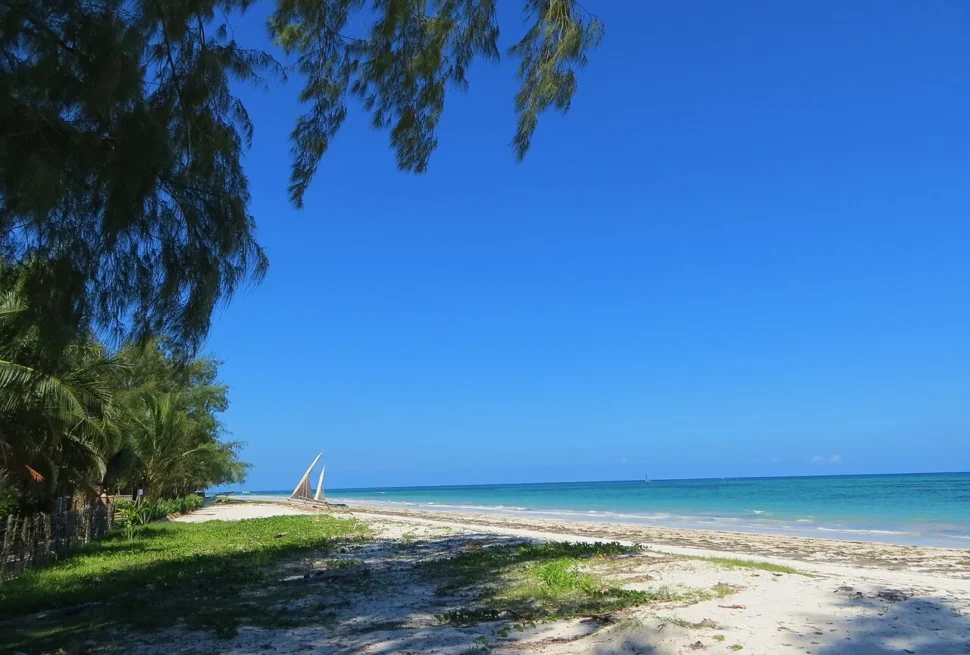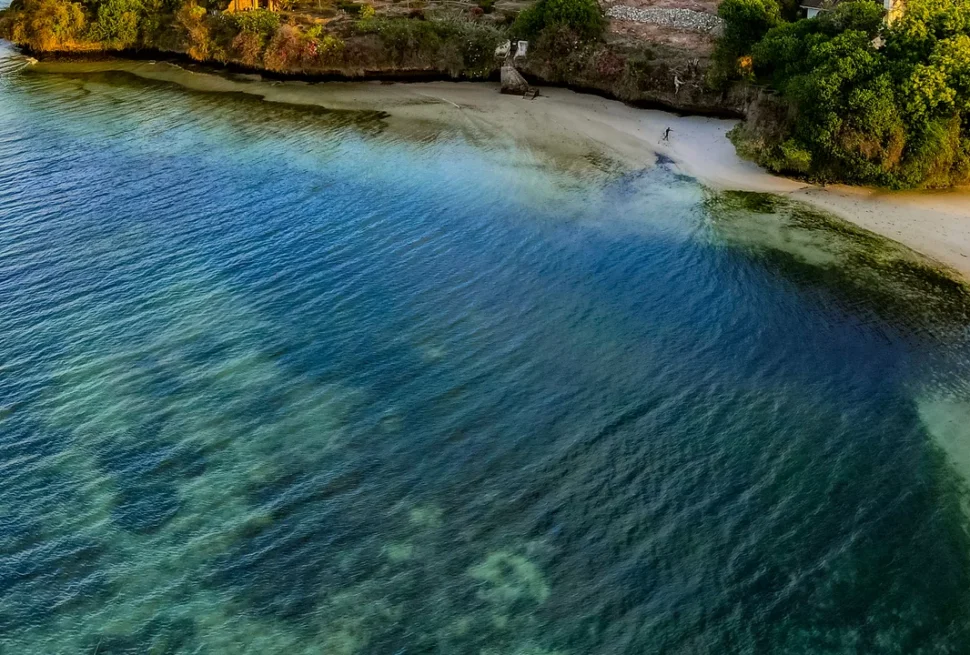
Malindi Marine Park snorkelling can be the active centre of a North Coast holiday, but the experience changes with tide, wind, visibility and the chosen operator. Confirm the official entry, boat, equipment and transport as separate line items before comparing prices.
The Kenya Wildlife Service describes the protected area as Kenya's oldest marine park, established in 1968. It includes coral reef, seagrass, mangrove and mudflat habitats.
What to decide before booking
| Question | Why it matters |
|---|---|
| Which area will the boat visit? | A generic marine park label does not describe the route. |
| Are KWS fees included? | Entry can be separate from the operator price. |
| Is equipment included and fitted? | Poor masks and missing child sizes reduce safety and comfort. |
| What is the cancellation rule? | Sea conditions can make an outing unsuitable. |
| Is pickup included? | Hotel location changes the real total and start time. |
| How large is the group? | Guide attention and boat comfort vary with capacity. |
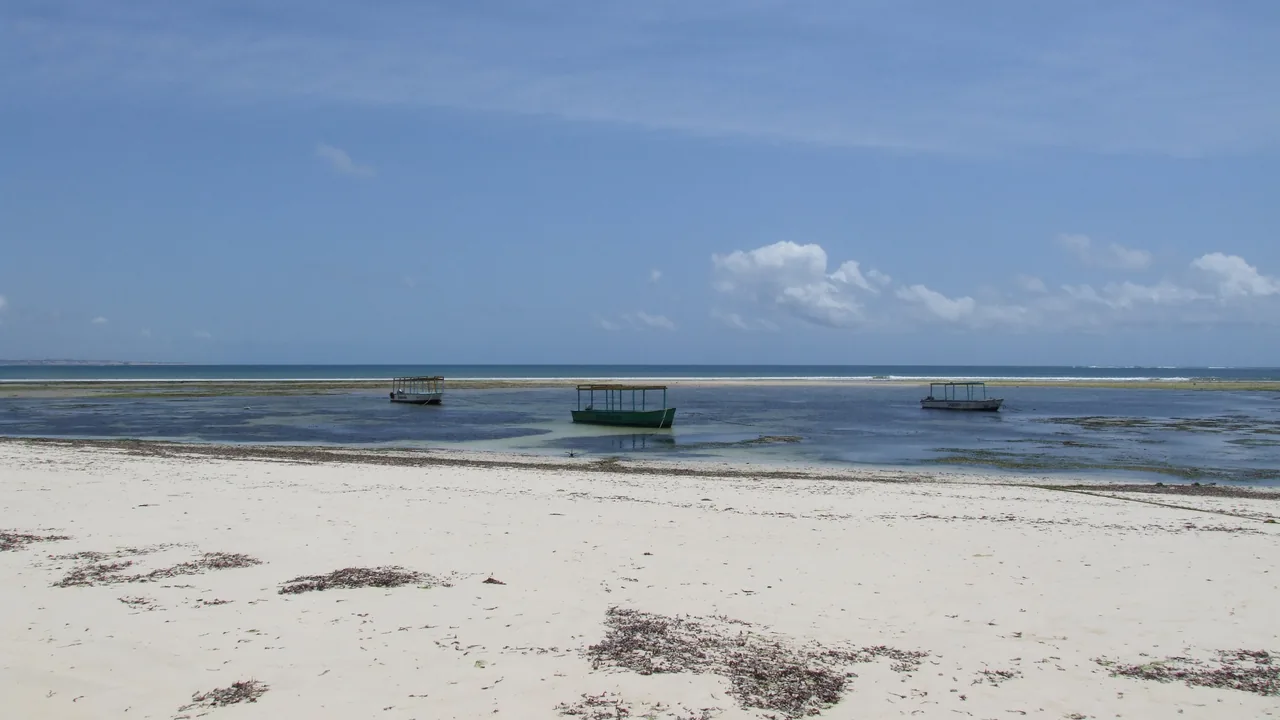
Malindi Marine National Park. Photo by Nicor, cropped and converted to WebP, CC BY-SA 3.0.
Snorkelling, glass-bottom boats and diving
Snorkelling suits confident swimmers who are comfortable breathing through a mask and following a guide. A glass-bottom boat can give non-swimmers and younger children a view of shallow marine areas, though visibility is still affected by weather and water movement.
Diving requires a qualified provider and the right certification or introductory programme. Ask which safety and insurance standards apply. Do not assume a general beach boat is equipped for diving.
Official fees and operator charges are different
KWS entry, vessel, guide, gear, meals and pickup may be collected by different parties. Traveller category can affect official fees. Ask whether the quoted park rate applies to Kenyan citizens, residents or non-residents, and what identification is required.
Do not rely on an old screenshot of a fee board. Use the current KWS payment channel or written operator confirmation immediately before the visit.
Wildlife should not be guaranteed
The park supports turtles, dolphins, rays and many reef fish, but a specific animal may not appear during your visit. The KWS marine wildlife guidance advises visitors not to interfere with, feed or touch marine life. Avoid operators that chase animals or promise contact.
Keep fins away from coral, do not stand on living reef and carry all litter back. Reef-safe behaviour matters even when an operator does not give a detailed briefing.
Check the sea, tide and your own limits
Ask for the morning's operating decision rather than insisting on a trip during unsafe conditions. Heat, sun reflection and time on a boat can be tiring. Carry sun protection, water and any motion-sickness medication advised by a qualified professional.
Weak swimmers should disclose that before boarding. A life jacket is not a reason to enter conditions that exceed a person's comfort or the guide's advice.
Independent Malindi attraction reviews often praise clear-water marine outings while showing that experiences depend heavily on guides and daily conditions. Treat reviews as individual perspectives and ask current operational questions.
Frequently asked questions
Do I need to know how to swim?
Not for every glass-bottom experience, but snorkelling requires comfort in water and direct guidance. Tell the operator honestly about ability.
Are children allowed?
Many outings accept children, but age, boat length, equipment sizes and sea conditions determine suitability. Request child-size life jackets.
What should I bring?
Bring sun protection, water, secure footwear for boarding and a dry bag. Confirm whether towels and snorkelling equipment are supplied.
Can I see dolphins?
You may, but no responsible operator should guarantee a wild dolphin encounter.
Continue planning
- Things to do in Malindi
- Malindi with children
- Compare current Malindi packages
- Watamu Marine Park guide
Research checked on 4 October 2026 using Kenya Wildlife Service and independent visitor reports. Reconfirm official fees and operating conditions before travel.