By Usena Travels
What to wear on safari in Kenya is mostly a question of layers and the activities you have booked. Comfortable everyday clothes, a warm layer for early starts, a light rain shell and suitable shoes are more useful than a new head-to-toe safari wardrobe. Pack for sitting in a vehicle as well as stepping out at authorised stops, then make separate choices for walking activities or a beach extension.
An outfit for each part of the day
| Situation | Useful clothing | Avoid relying on |
|---|---|---|
| Early vehicle departure | Comfortable trousers, a shirt and a removable warm layer | One heavy outfit that becomes uncomfortable later |
| Warm daytime drive | Breathable clothes, a secure hat and sunglasses | Unsecured hats that blow off when the vehicle moves |
| Rain or wet transfer | Light waterproof outer layer and protected spare clothes | A thick sweater as your only rain protection |
| Authorised walk | Closed shoes with grip and the operator's activity guidance | Assuming vehicle-safari footwear suits every trail |
| Lodge evening | Clean, comfortable layers | Formalwear unless the property specifically asks for it |
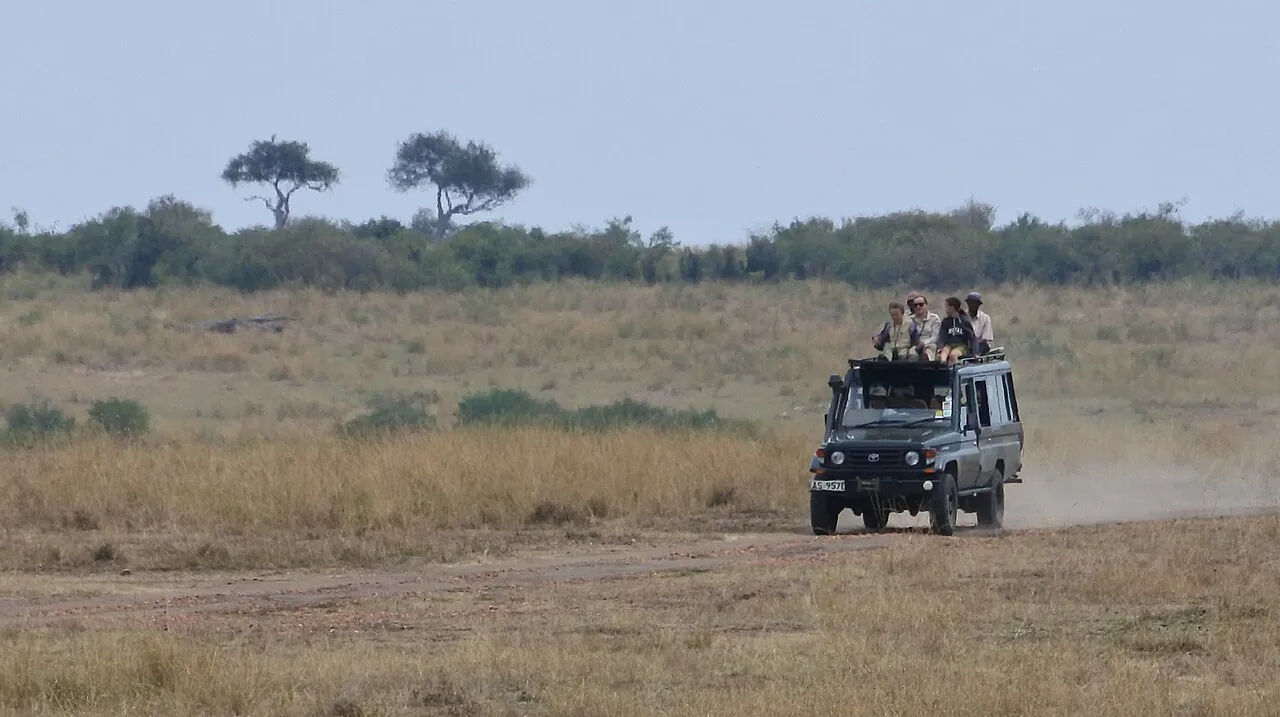
Start with clothes you already trust
Try sitting, bending and stepping up in your proposed outfit before departure. Tight waistbands, stiff new trousers and shoes that rub become more noticeable after hours in a vehicle. A shirt that dries readily and trousers with comfortable pockets are practical choices; specialist branding is optional.
Muted colours are an easy choice for dust and repeated wear. Khaki is not an entry requirement, and wearing it does not make you invisible to wildlife. Avoid building the packing plan around claims that one colour guarantees fewer insects or better sightings.
Bring enough layers to adjust without changing the whole outfit. A fleece or light jacket can come off after an early departure. Keep it within reach rather than at the bottom of luggage tied into the vehicle.
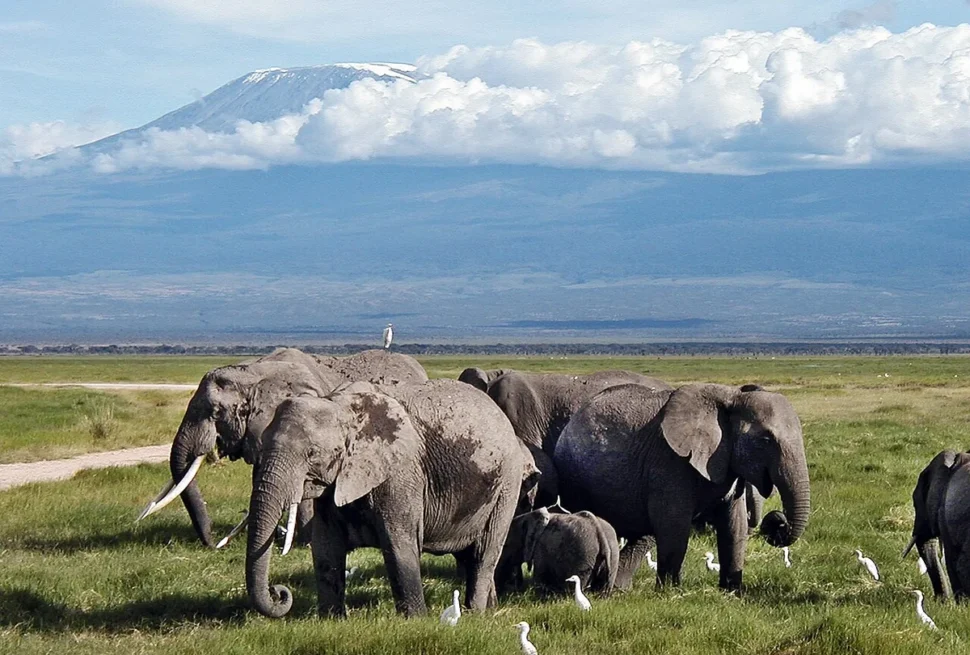
Mara, Amboseli and Tsavo need the actual forecast
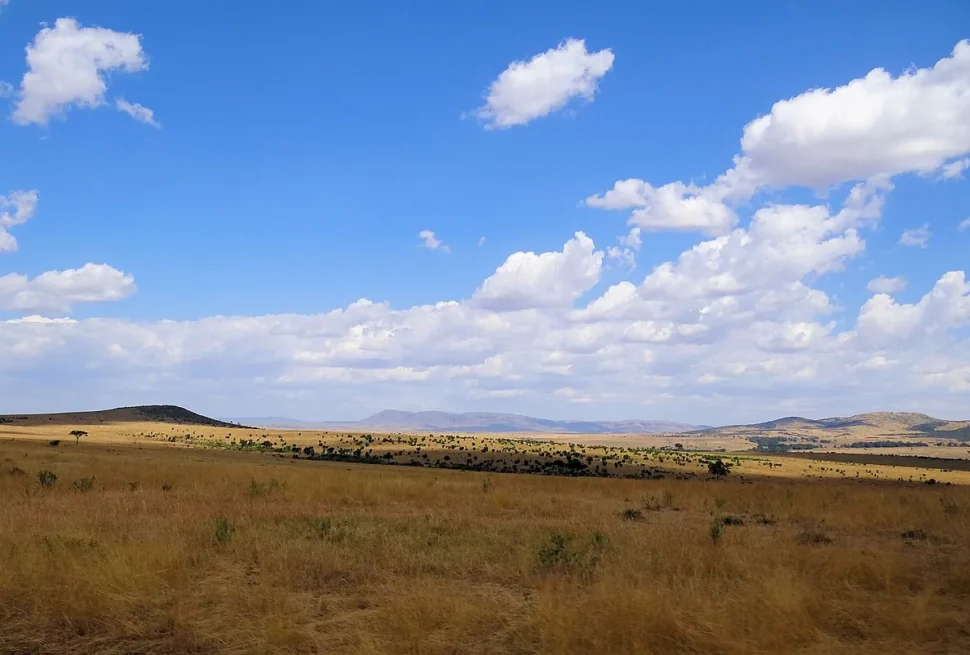
Do not pack from the word “Africa” or assume a sunny photograph describes every hour. Different destinations, seasons and vehicle arrangements create different levels of exposure. An open-sided vehicle can feel different from a closed transfer car even on the same day.
Check the Kenya Meteorological Department's seasonal information for broad context, then the near-departure forecast and your lodge's practical advice. If wet conditions are likely, quick-drying spare clothing can be more useful than several bulky alternatives.
For a destination-specific equipment and document list, use the Maasai Mara packing guide. This guide concentrates on clothing choices rather than repeating the entire luggage checklist.
Shoes: one reliable pair beats several untested pairs
For a mainly vehicle-based safari, comfortable closed shoes are a sensible starting point. Serious hiking boots are not automatically necessary. If the plan includes an authorised nature walk or a stop such as Mzima Springs, confirm the surface, distance and footwear advice with the operator.
Sandals may be convenient at the lodge or beach, but do not make them the only option. Keep shoes on where staff require it and follow any instructions about moving around camp after dark. Clothing is not a substitute for those arrangements.
Travellers who use orthotics or need particular footwear should prioritise that familiar support over matching a safari style. Bring an accessible spare pair if a wet or damaged shoe would seriously affect the trip.
Small choices that matter with children
Let children test the clothes before packing them. Comfortable waistbands, a familiar warm layer and a hat they will keep on are more useful than a coordinated family photograph. Pack an easy-to-reach change for spills or motion sickness, separately from the main luggage.
Ask about laundry availability, turnaround and charges before reducing the number of changes. A property offering laundry does not necessarily mean an item washed that morning will be dry before departure. Keep essential clothing out of any laundry batch close to checkout.
Flying to the safari? Pack around the carrier's rules
Bulky clothes and extra shoes can use the allowance surprisingly quickly. Airkenya's FAQ gives a standard 15 kg combined baggage allowance in soft bags. Your own ticket and carrier's current terms control your journey, so check them rather than copying that limit onto every flight.
Use a small set of clothes that work together and can be layered. If a beach stay follows, a few lightweight additions may be enough. Large rigid luggage needs to be resolved with the airline before check-in, not explained away at the airstrip.
Questions about safari clothing
Can I wear jeans?
Comfortable jeans can work for some vehicle trips. They are heavier and slower to dry than lighter trousers, so consider the weather, luggage allowance and your own comfort.
Do I need a different outfit for dinner?
Usually a clean, comfortable change is the practical priority. Ask the lodge about its own dining expectations rather than packing formal clothes by default.
Does full-length clothing replace other protection?
No. Follow appropriate sun and insect precautions, and obtain any personal health advice from a qualified professional. Do not rely on an outfit as a complete protective measure.
What should stay beside my seat?
A warm layer, rain shell, hat and any immediate spare clothing are more useful there than buried under the group's main bags. Keep the aisle and vehicle exits clear.