Watamu Marine National Park covers about 10 square kilometres within the wider Watamu marine protected area. Kenya Wildlife Service describes it as a no-take zone, which means extracting marine resources is prohibited. The surrounding reserve and nearby Mida Creek have different conservation uses and should not be treated as one interchangeable attraction.
A good visit starts with three clear questions: what park entry costs, what the operator charges, and what conditions are expected on the day. That prevents a low headline price from becoming an unclear collection of boat, equipment and conservation charges at the meeting point.
Watamu Marine Park fees
The current Kenya Wildlife Service conservation-fee schedule lists the following Watamu Marine National Park entry fees. These were checked on 21 September 2026.
| Visitor category | Adult | Child |
|---|---|---|
| East African citizen | KES 500 | KES 250 |
| Kenyan resident | KES 675 | KES 350 |
| African citizen | USD 15 | USD 10 |
| Non-resident | USD 25 | USD 15 |
Use the visitor category and identification rules stated by KWS for the date of your visit. Carry the required proof of citizenship or residency, and confirm which age band KWS applies to a child ticket.
The park fee is not automatically the complete excursion price. A boat operator may charge separately for the vessel, crew, guide, snorkelling equipment, life jackets, hotel pickup, food, drinks or another stop. Ask for an itemised quote before paying.
KWS currently directs visitors to KWSPay on eCitizen and says payment can be made through supported channels including M-Pesa, Visa and direct bank options. Use a link reached from an official KWS or eCitizen page, and keep the receipt available for entry.
What to expect at Watamu Marine Park
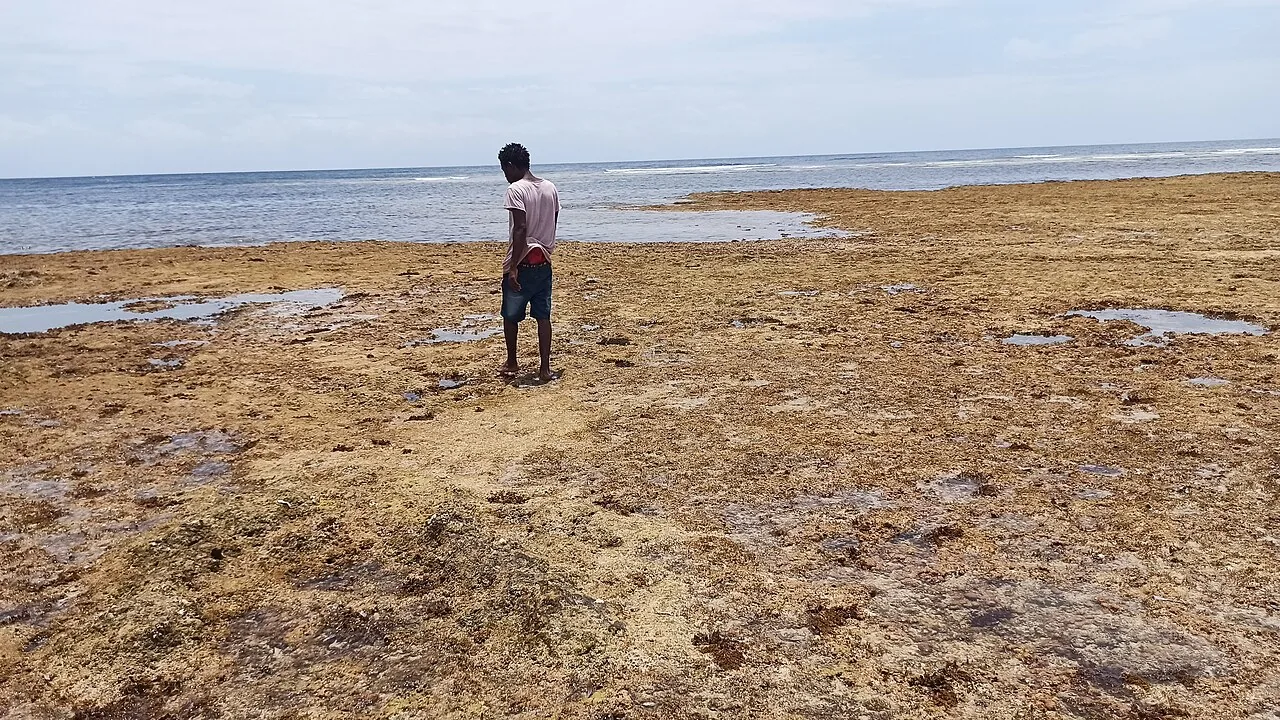
KWS lists snorkelling, diving, swimming and guided boat trips among the park's activities. The actual route and time in the water depend on the operator, tide, wind, visibility, group ability and safety assessment that day.
A typical outing may involve a boat journey to a suitable reef or lagoon area, a safety briefing and supervised time in the water. That is not a promise that every ticket includes the same experience. Some products are boat-only, some include equipment, and some combine the marine park with lunch or another destination.
Ask where the excursion enters the protected area and who is responsible for the KWS payment. If the operator says the fee is included, request that it appears on the written quote and receipt.
Snorkelling
Snorkelling can suit beginners when conditions are calm and the operator provides a careful briefing, a correctly fitted life jacket and suitable supervision. Tell the guide honestly about swimming ability and anxiety in open water. A non-swimmer should not be pressured into entering the sea.
Check whether masks, snorkels, fins and flotation aids are included and how they are cleaned. Prescription-mask users or travellers who need a particular fit may prefer to bring their own equipment.
Diving
Diving arrangements depend on certification, experience, medical fitness and the dive centre's assessment. Ask for the operator's safety procedures, equipment standards, group size and the exact site plan. A marine-park entry payment does not replace a dive-centre booking.
Boat viewing
Some travellers prefer to remain on the boat or use a glass-bottom viewing option. Confirm the vessel type because labels can be used loosely. Ask how easy it is to board, whether shade and seating are available, and what happens if the water is too rough for the planned route.
Marine park, marine reserve and Mida Creek
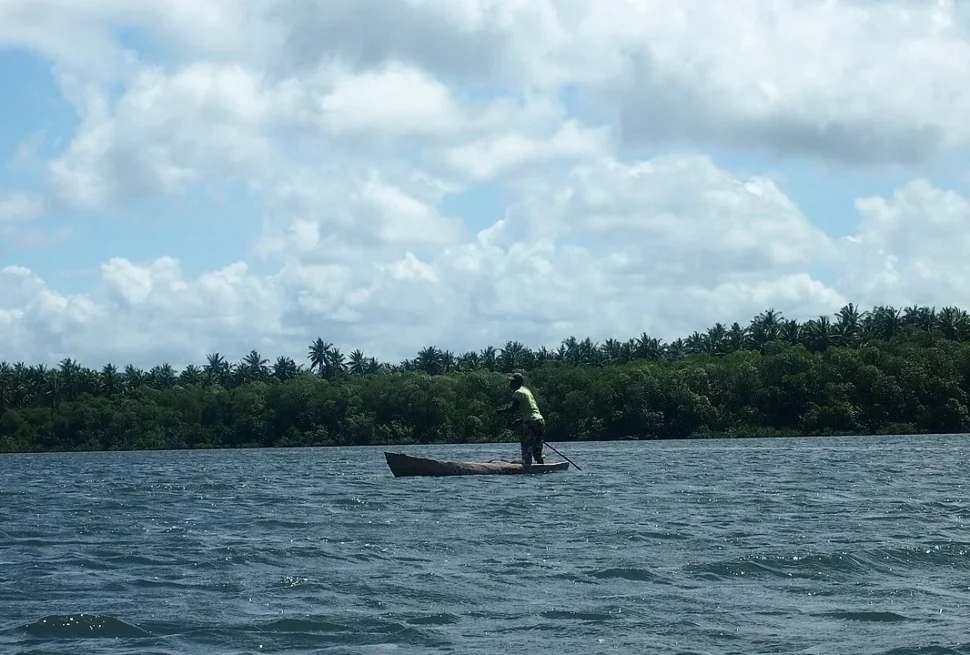
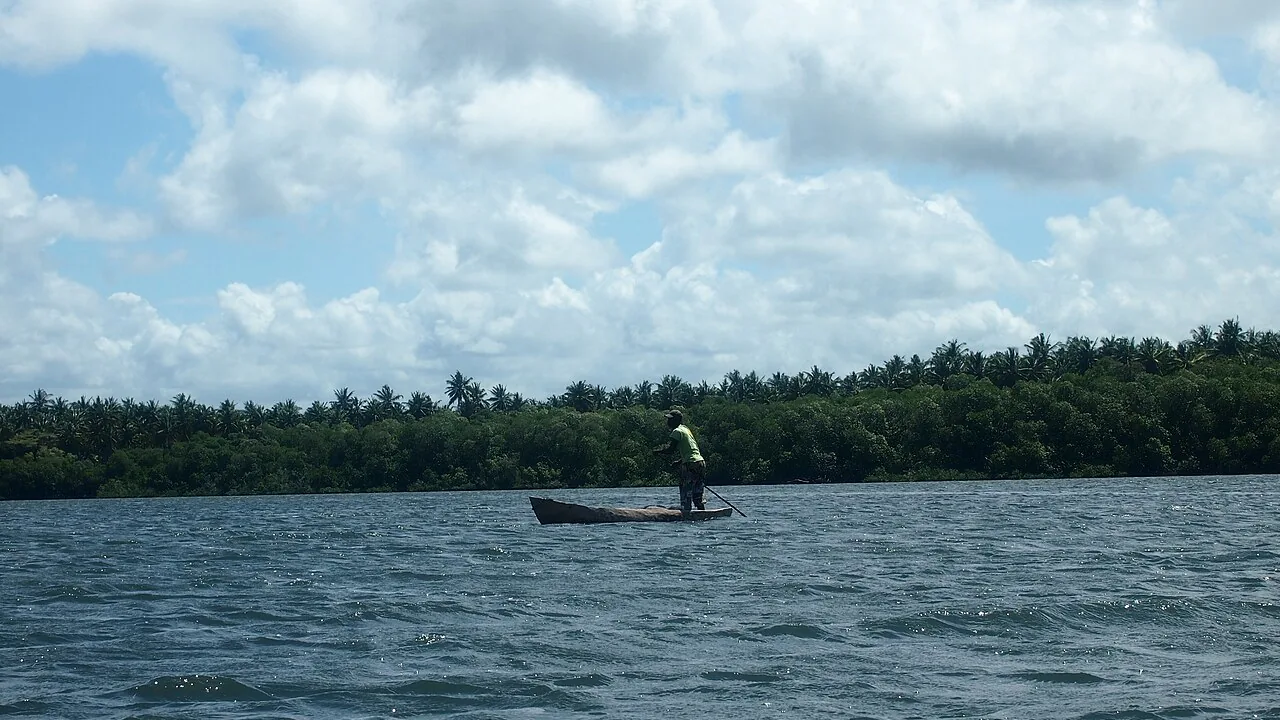
Watamu Marine National Park is the strictly protected no-take area. KWS describes the surrounding Watamu Marine National Reserve as allowing controlled and sustainable use. Mida Creek forms part of the wider coastal ecosystem, with mangroves, tidal channels and bird habitat.
These places can complement one another, but a "Watamu marine" excursion does not automatically include all of them. Ask whether the itinerary visits the marine park, the reserve, Mida Creek or a combination, and how much time is spent at each location.
Tides, weather and visibility
Sea conditions can change even during a generally sunny coast holiday. Wind, tide, swell and recent rain may affect the boat route, comfort and underwater visibility. A responsible operator should change or cancel an unsafe outing rather than force the original plan.
Ask the operator when it will confirm conditions and what the refund or rescheduling rule is. If marine activities are the main reason for the trip, keep some flexibility instead of assigning one non-changeable morning.
Kenya's broad seasonal patterns do not guarantee a specific day's sea. Check the latest Kenya Meteorological Department information and rely on a reputable local marine operator for the site-level decision.
Responsible wildlife and reef rules
The marine park protects living habitats. Visitors should follow KWS instructions and the guide's safety briefing. KWS rules prohibit feeding wildlife and single-use plastic in protected areas. Carry reusable water containers where permitted and take waste away from the beach or boat.
Do not stand on, touch or collect coral. Keep fins and equipment away from the reef, particularly in shallow water. Do not chase turtles, dolphins or other animals for photographs. Wildlife sightings are never guaranteed, and an operator should not harass an animal to fulfil an advertising promise.
KWS management guidance for the wider marine protected area emphasises protection of turtles and marine mammals. If an animal approaches, follow the guide's direction and let it control the encounter.
Reef-safe behaviour matters more than a label on a sunscreen bottle. Use shade and protective clothing, avoid leaving packaging behind, and follow current local guidance on any product restrictions.
Families, non-swimmers and accessibility
Families should ask whether the operator has child-size life jackets in the correct range, not merely whether children are allowed. Check shade, toilet access, trip length, boarding method and whether a child can remain safely on the boat with a responsible adult.
For a traveller with reduced mobility, request photographs or a precise description of the boarding point, steps, jetty, sand crossing and vessel. A boat may not be fully accessible even when the hotel transfer is. Ask what physical assistance staff can safely provide.
Non-swimmers can still enjoy some boat-based outings, but the choice should be made without pressure. Confirm the viewing format and sea conditions, and choose a life jacket that fits before departure.
How to choose a marine operator
Ask for clear answers before paying
- operator name, contact and departure point;
- vessel type, legal capacity and shaded seating;
- guide and crew roles;
- life jackets in suitable adult and child sizes;
- exact route, duration and time in the water;
- whether KWS fees are included or paid separately;
- snorkelling equipment, cleaning and replacement process;
- hotel transfer, food, drinking water and optional stops;
- weather cancellation, refund and rescheduling terms;
- how the operator protects wildlife and avoids reef damage.
A polished social-media page is not a substitute for safety information. Keep written confirmations and do not accept pressure to pay before basic inclusions and policies are explained.
What to carry
- KWS payment confirmation and required identification;
- swimwear and a quick-drying cover-up;
- secure sandals or reef shoes if the operator recommends them;
- sun-protective clothing, hat and sunglasses with a strap;
- reusable drinking water in line with park rules;
- towel and a dry bag for electronics;
- personal medication, including motion-sickness medication if medically suitable;
- your own well-fitting mask if equipment fit is important.
Avoid taking valuables that do not need to be on the boat. Ask whether there is secure storage at the departure point.
What time should you visit?
There is no universal hour that guarantees calm water or better wildlife. The operator should choose a departure using tides, wind and the intended site. Earlier outings are often suggested, but that does not make every morning suitable.
Build the activity into a day with some flexibility. If a child, older traveller or first-time snorkeller is joining, prioritise calm conditions and a manageable trip length over fitting the largest number of stops into one excursion.
Avoid a tight connection to an airport, SGR transfer or hotel checkout. Boats can return later than planned when conditions or passenger needs change.
Getting to Watamu Marine Park
Many Watamu properties can arrange a transfer to an operator's departure point. Confirm whether that transfer is included and whether pickup is from reception, a public beach access or another meeting point.
From Nairobi, the shortest final road sector usually follows a flight to Malindi. The SGR reaches Mombasa and requires a longer northbound transfer. Read our Nairobi to Watamu guide before choosing the transport day.
If you are staying outside Watamu, ask whether the activity start time leaves enough time for the road journey. Do not assume a Mombasa or Diani pickup is practical for an early local departure.
Two traveller experiences, two different sea conditions
Recent activity reviews show why an operator cannot promise identical visibility every day. One visitor reported:
“The water was crystal clear and we could snorkel among many colorful fish and corals.”
Another visitor on a marine park and mangrove excursion encountered the opposite:
“The sea was so stormy that we couldn’t see the reef or the fish.”
Neither review predicts your visit. They demonstrate why sea conditions, the operator’s weather policy and the option to reschedule matter as much as the advertised itinerary.
Common Watamu Marine Park mistakes
- Assuming the KWS fee includes the boat. Entry and operator services are separate unless a quote states otherwise.
- Choosing only by the lowest price. Safety equipment, group size, route and cancellation terms matter.
- Expecting guaranteed turtles or dolphins. Wildlife follows natural conditions and must not be chased.
- Standing on coral in shallow water. Coral is living habitat and can be damaged by contact.
- Ignoring the weather policy. Know how a cancellation or route change is handled before paying.
- Combining too many attractions in one short trip. Marine park, Mida Creek and lunch stops need realistic travel and activity time.
Frequently asked questions
How much is Watamu Marine Park entry?
As checked on 21 September 2026, KWS lists East African citizen fees of KES 500 per adult and KES 250 per child, with different resident, African citizen and non-resident rates. Recheck the current KWS schedule before visiting.
Does the park fee include snorkelling and a boat?
Not automatically. The conservation fee covers park entry. Boat, crew, guide, equipment, transfers and food depend on the operator’s quote.
Can non-swimmers visit the marine park?
Yes, some boat-based or glass-bottom viewing options may suit non-swimmers. Confirm the vessel, life jacket, boarding method and conditions. Nobody should be pressured to enter the water.
Are turtle or dolphin sightings guaranteed?
No. Wildlife sightings depend on natural conditions. Choose operators that keep a respectful distance and do not chase or feed animals.
Is Mida Creek part of the same excursion?
Not necessarily. Mida Creek is a nearby mangrove and tidal ecosystem within the wider protected landscape. Ask the operator whether it is included and how much time the itinerary allows.
Research checked on 21 September 2026 using Kenya Wildlife Service park information, the current KWS conservation-fee schedule, KWS payment guidance and management information for the Watamu marine protected area. Fees, payment methods and conditions can change.