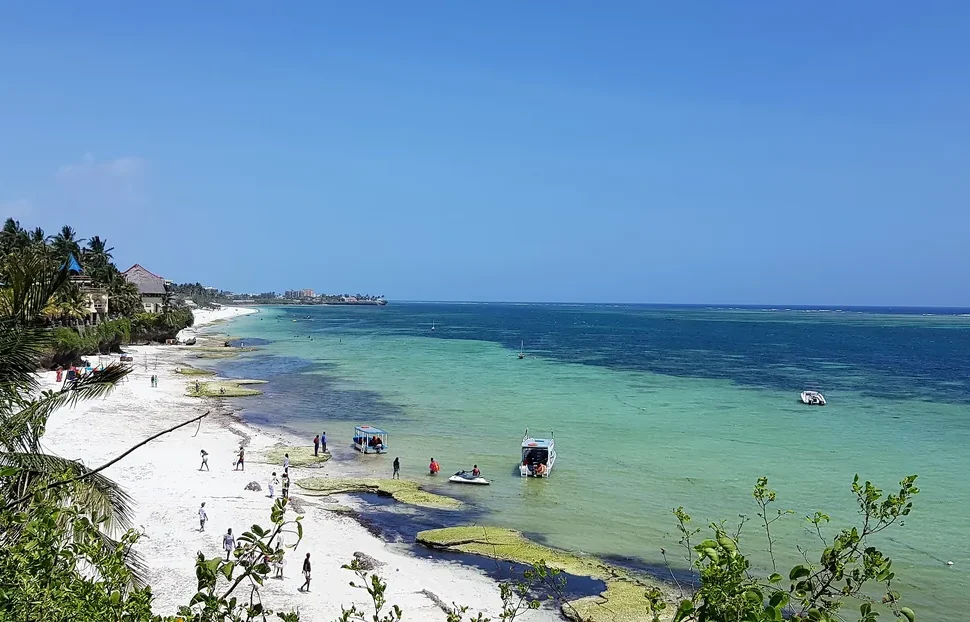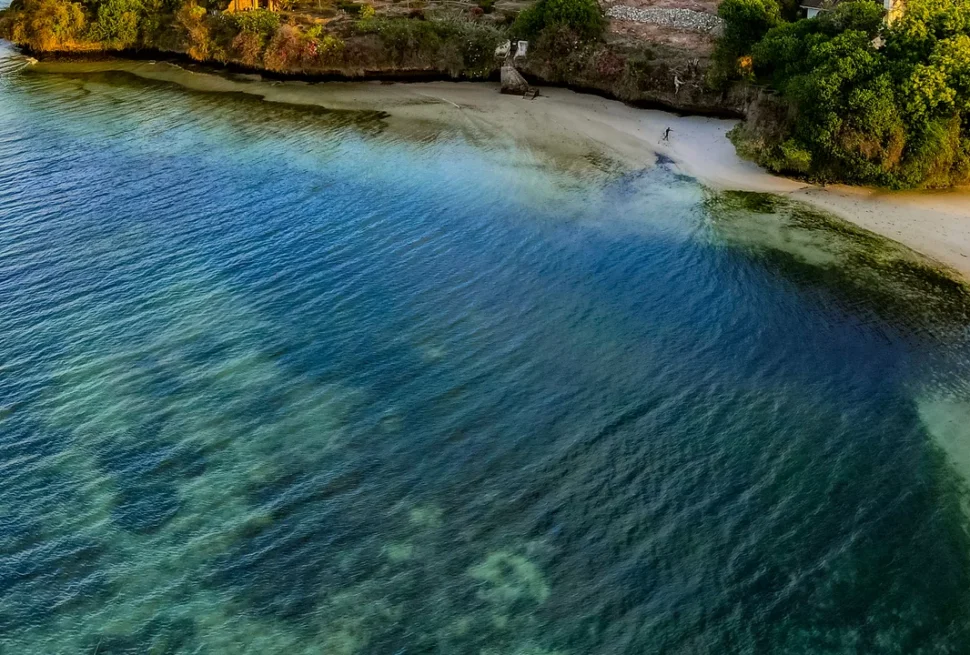
The best time to visit Diani depends on whether you care most about drier beach days, lower prices, water sports, school-holiday travel or a quiet resort. Kenya’s coast stays warm through the year, but rainfall, wind, humidity, seaweed and sea conditions still affect the experience.
Use seasonal patterns to narrow your dates, then check a current forecast shortly before travel. No long-range guide can promise sunshine or flat seas for a particular week.
Diani seasons at a glance
| Period | What to expect | Best fit |
|---|---|---|
| January to February | Often hot with comparatively drier conditions | Beach time, short escapes and travellers comfortable with heat |
| March to May | Long-rains period, with variable intensity | Flexible travellers seeking value and fewer crowds |
| June to October | Generally cooler, breezier and popular for coast travel | Families, active travellers and those avoiding peak heat |
| November to December | Short-rains period followed by festive demand | Travellers who accept mixed weather or book early for holidays |
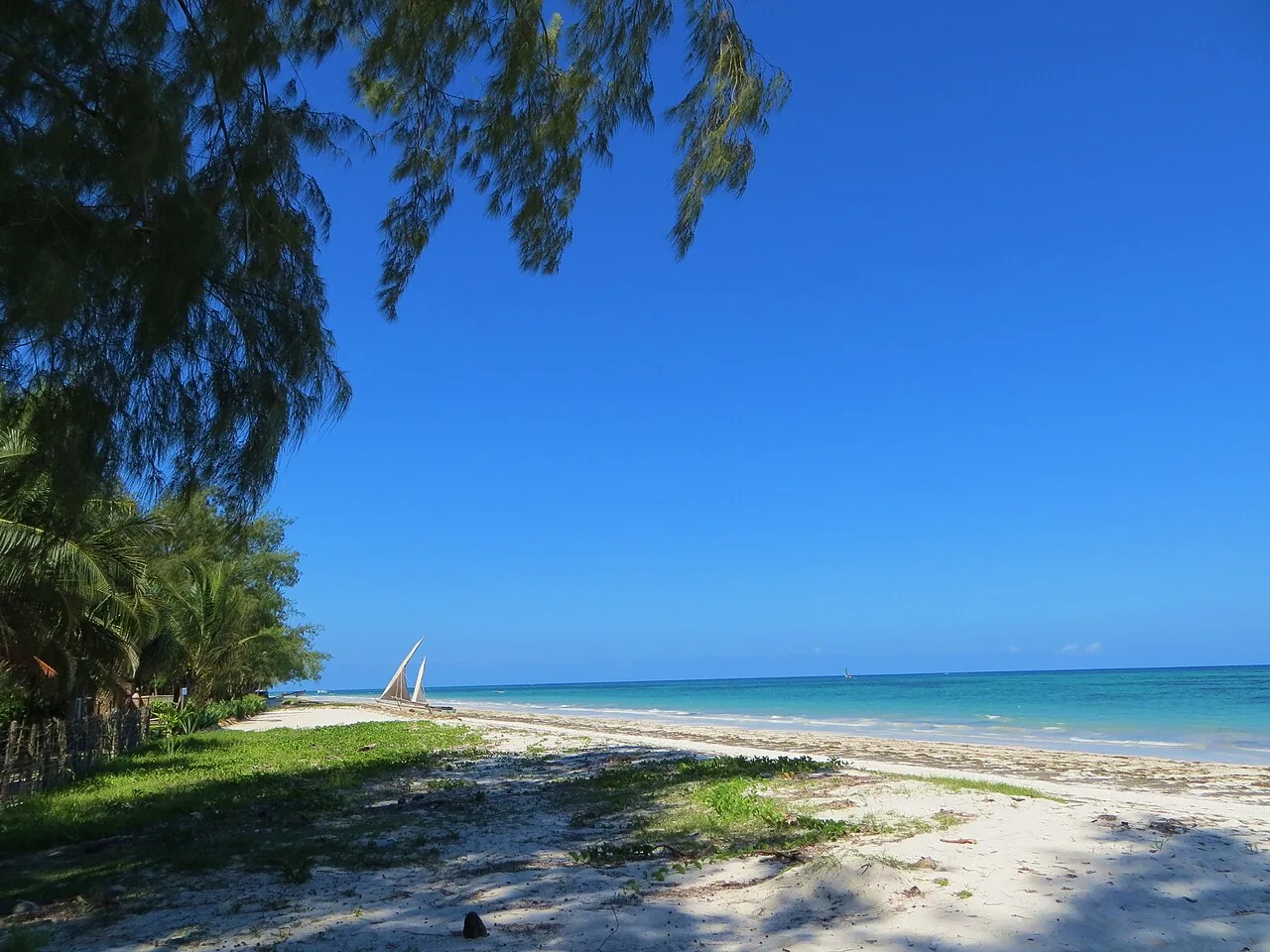
Diani Beach. Photo by FredD, resized and converted to WebP, CC BY-SA 3.0.
January and February: hot, bright and popular
These months often appeal to travellers who want strong beach weather outside the end-of-year festive rush. Expect heat and humidity, especially in the middle of the day. Plan active outings early, carry water and choose accommodation with the cooling options you actually need.
Prices can still rise around international school holidays and special events. Compare the full package rather than assuming January is automatically a bargain after New Year.
March to May: value with more weather risk
The March to May period includes the main long-rains season. Rain does not necessarily fall all day, every day, but heavier showers and rougher conditions can disrupt boat plans. Some properties or operators may reduce services during quieter weeks.
This period can suit travellers who value space and flexible pricing more than a fixed activity schedule. Check cancellation terms, confirm that the chosen property is fully operating, and avoid building the holiday around one weather-sensitive excursion.
June to October: cooler conditions and family demand
Many travellers find the coast more comfortable in these months because temperatures are usually less intense and breezes can be stronger. That can be helpful for walking and active days, but wind and sea state still affect snorkelling and small-boat outings.
Kenyan school holidays and international summer travel can lift demand. Book transport and family-room configurations early if you are tied to school dates. Confirm bedding rather than assuming a room labelled “family” includes separate proper beds for everyone.
November and December: mixed weather, then festive pressure
The short-rains season can bring showers and humidity, but conditions vary. December demand rises sharply as Christmas and New Year approach. Flights, SGR seats, transfers and popular resorts can fill before the weather forecast is useful.
For festive travel, secure the transport and room together. Read minimum-stay, gala-dinner and cancellation conditions carefully. A package that looks affordable can change once mandatory festive supplements are added.
Tides matter in every month
Tides are not a season. The timing shifts daily with the lunar cycle. At low tide, the sea can retreat far across reef flats, opening long walks and shallow pools but making swimming less convenient in some places. Higher tide can improve swimming access in one section while reducing the width of dry beach elsewhere.
Recent Diani Beach reviews frequently mention this contrast. Check local tide information for the exact days of your stay and ask the hotel about its beach section.
Seaweed and marine conditions are local
Seaweed can appear after changes in wind, current and season, then clear again. It is not responsible to guarantee a seaweed-free beach months in advance. The exact hotel section and daily maintenance also influence what guests see.
If a pristine swimming beach is your highest priority, ask for a current update close to travel. For snorkelling or diving, ask the operator about visibility and safety conditions rather than relying on a general monthly label.
What recent travellers noticed
A 2026 Tripadvisor contributor described warm water and a restful setting, but also explained that low tide changed when swimming felt practical. Another traveller visiting in September praised the natural pools visible at low tide. The same tidal event can therefore be a drawback for one traveller and a highlight for another.
Frequently asked questions
What is the driest time for Diani?
January to February and parts of June to October are often considered comparatively drier, but weather varies from year to year. Check the latest Kenya Meteorological Department outlook.
Is April a bad month for Diani?
April falls in the long-rains period and carries more disruption risk. It can still suit flexible travellers who accept showers and prioritise value or quiet.
When is Diani busiest?
Christmas, New Year, Easter and major school-holiday periods usually create the strongest demand. Availability depends on the specific property and transport mode.
Which month is best for swimming?
Month alone does not settle swimming conditions. Tide, wind, waves and the exact beach section matter. Ask locally and follow safety advice.
Related Kenya Coast guides
- Things to do in Diani Beach
- Is Diani Beach public?
- Nairobi to Diani transport guide
- Diani or Watamu comparison
Seasonal guidance checked on 4 October 2026. Weather patterns, hotel operations and transport availability can change.