By Usena Travels
Amboseli Observation Hill is a viewpoint stop within a wider safari, not a separate destination requiring an entire day. It is useful for understanding the park's landscape from above and stretching your legs where access is permitted. The steps and exposed conditions mean suitability should be checked rather than assumed.
What you come to see
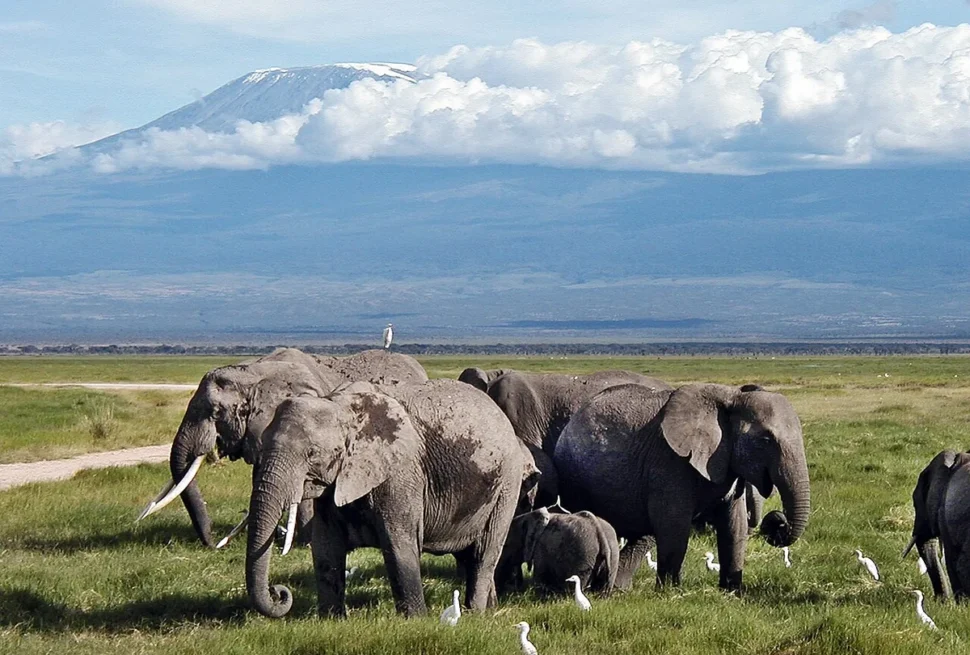
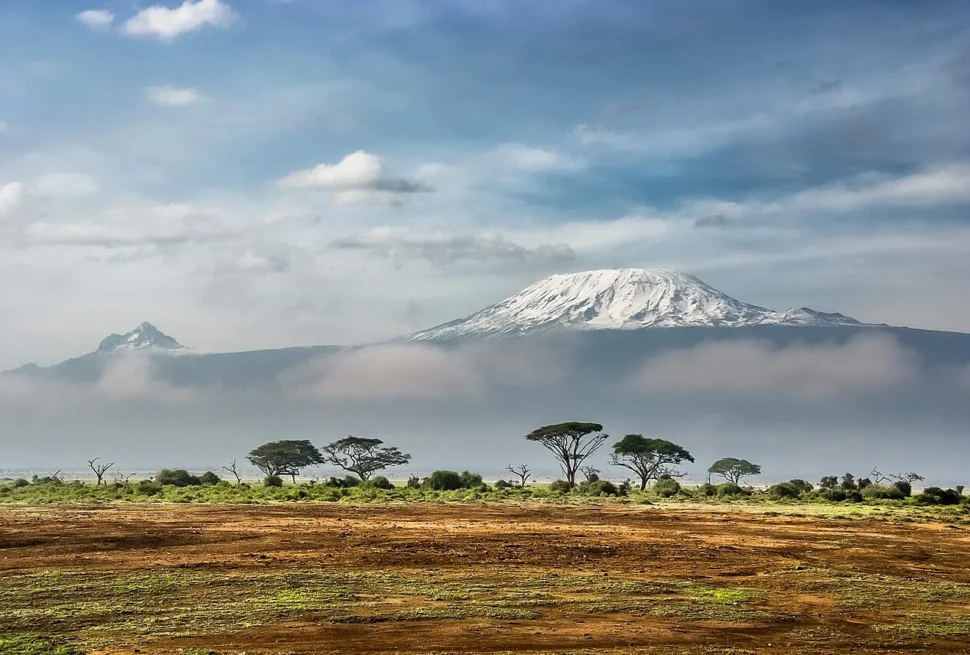
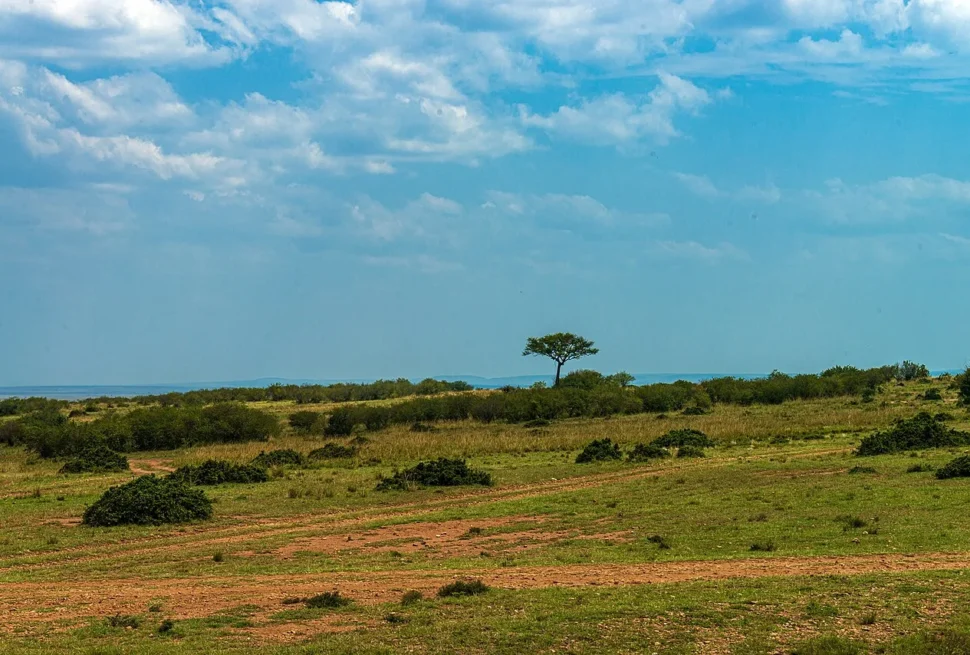
KWS identifies Observation Hill, also called Nomatior, as a panoramic viewpoint. The attraction is the broader landscape: wetlands, open country and the relationship between habitats. Kilimanjaro visibility still depends on the weather.
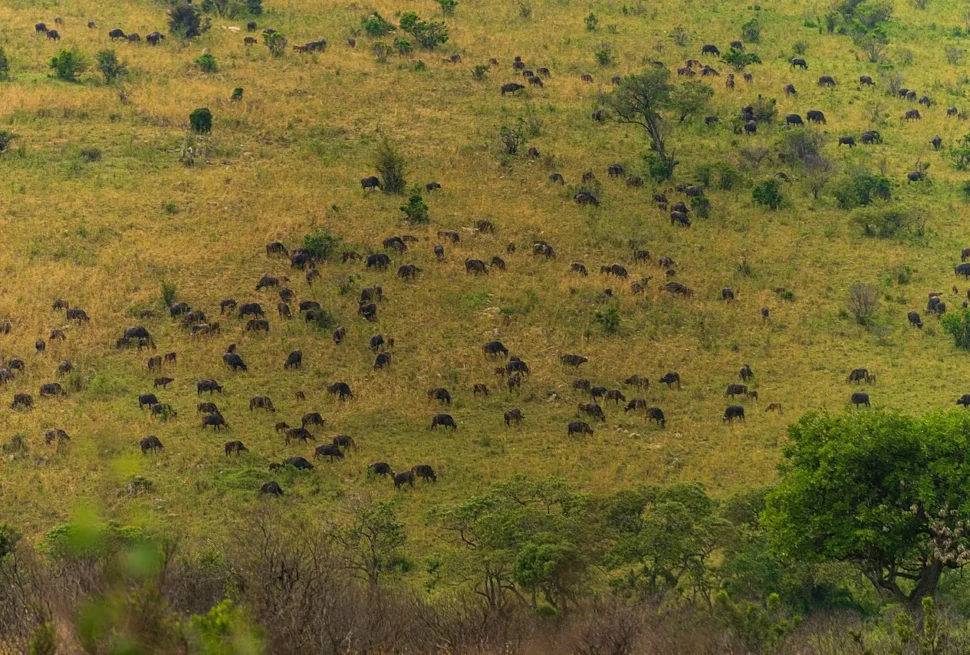
Bring binoculars if you want to study distant animals or birds. A viewpoint is not a way to get closer to wildlife, and the animals visible from the hill will vary. Give yourself time to look across the landscape rather than climbing only for a quick photograph and leaving immediately.
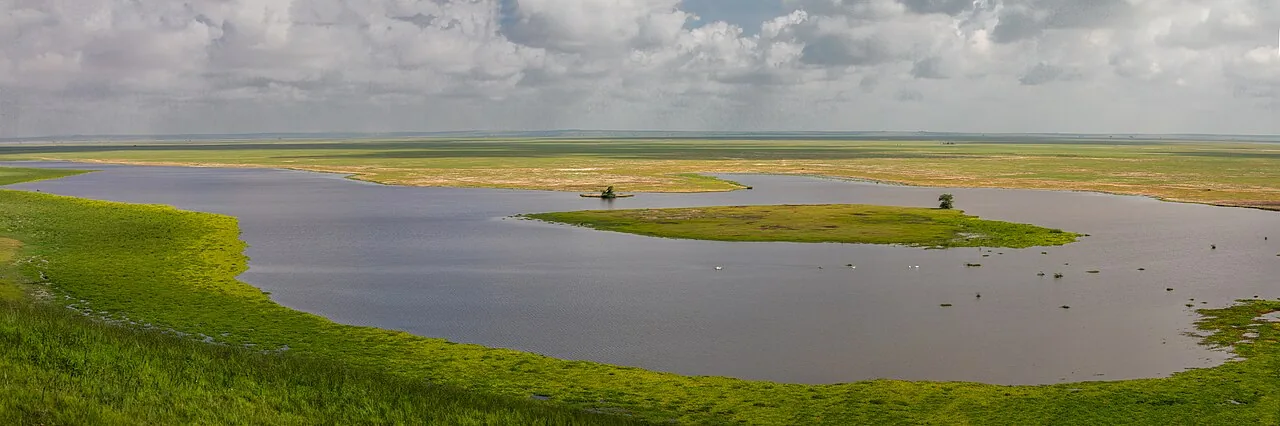
The climb: short does not mean suitable for everyone
The path includes steps. A Tripadvisor reviewer who visited in December 2025 described the walk as short but somewhat steep and reported that their preschooler managed it. That is one family's experience, not an accessibility assessment for every visitor.
Ask your guide about current access, footing and the effort involved before leaving the vehicle. If someone has difficulty with stairs, discuss alternatives without assuming that assistance or a step-free route will be available. It is acceptable to skip the climb and use the safari time elsewhere.
| Need | Practical preparation |
|---|---|
| Heat and sun | Water, sun protection and a pace that allows rests |
| Uneven steps | Comfortable footwear and hands free where possible |
| Young children | Close adult supervision and realistic expectations |
| Mobility limitation | Current access advice before committing to the stop |
| Photography | Secure equipment and avoid obstructing the path |
| Wildlife interest | Binoculars and time to scan the landscape |
Where it fits in the day's drive
Treat Observation Hill as one stop in a route selected by the guide for the day's conditions. Do not force a detour if it would sacrifice the only useful viewing time in a very short visit. On a longer stay it can provide a change of perspective between vehicle-based sessions.
Allow time for the approach, the walk, resting and looking around. There is little value in assigning an exact universal duration because group pace, conditions and interest vary. Tell the guide if you want a relaxed stop rather than discovering that the itinerary allows only a few minutes.
Food, litter and visitor conduct
Ask where eating is permitted and what facilities are currently available. Carry drinking water and take all rubbish away, including food scraps. Do not feed animals or use food to attract them for photographs.
An authorised stop at a viewpoint does not mean you may leave the vehicle anywhere else in the park. Follow signs, ranger directions and the guide's instructions. If access is closed or conditions are unsuitable, accept a different stop rather than trying to continue independently.
Keep paths clear for other visitors. A tripod, large bag or group photograph should not prevent people from moving safely on the steps. Wait for a clear space and be considerate of slower walkers.
Weather and photography expectations
The wider view can be interesting even under cloud. A photograph of a clear summit is one possible result, not the definition of a successful stop. Rain can affect footing and visibility, while strong sun can make a short climb feel harder.
The Amboseli seasonal guide explains why the month alone cannot predict the mountain view. Keep your plan flexible and ask the guide whether another part of the day would suit the stop better.
Fees and arrangements
Request confirmation of park admission and any extra charge in your specific itinerary. Do not assume that a hotel-organised sundowner, meal or guided event at a viewpoint is included simply because the hill is part of the park. A normal viewing stop and a catered experience are different arrangements.
Can I visit without a full safari itinerary?
Access still requires the appropriate park entry and a workable transport plan. For most visitors it makes more sense as part of an Amboseli drive than as the sole reason for the road journey.
Can children manage the steps?
Some can, but age alone is not enough to decide. Consider the child's stamina, conditions and supervision, and be willing to turn back.
Is it wheelchair accessible?
Do not assume step-free access to the viewpoint. Confirm current arrangements with the park and operator, then plan an alternative if the climb is unsuitable.
Continue to Nairobi-to-Amboseli route planning for the complete journey.