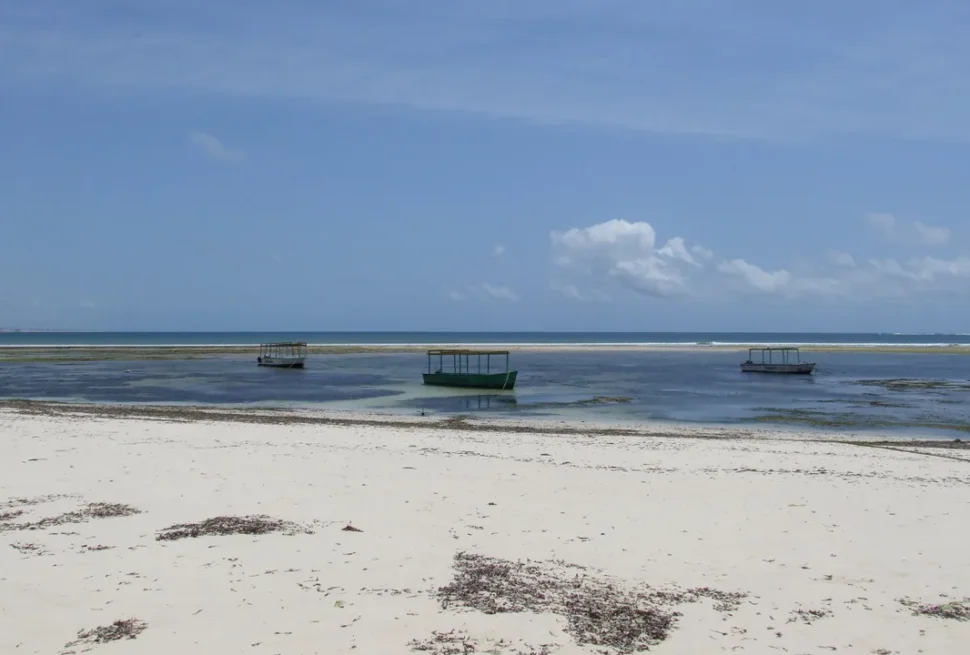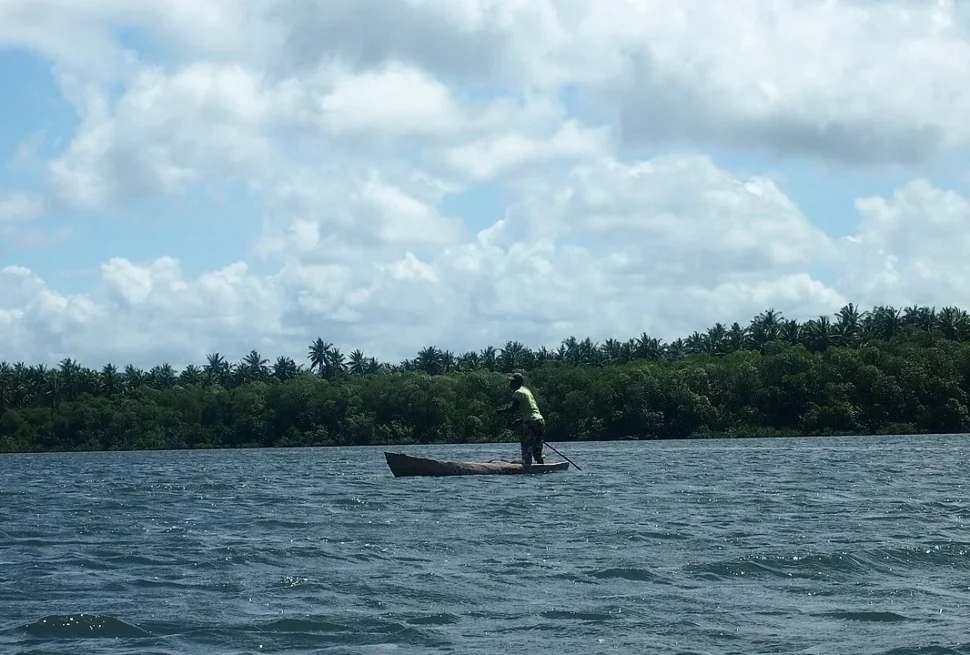
Gede Ruins is a former Swahili town set within forest near Watamu and Malindi. The site includes mosques, houses, tombs, wells and walls that reveal an organised urban settlement connected to Indian Ocean trade. A guide turns the visit from a walk among stones into a coherent historical story.
Plan roughly one and a half to three hours on site, plus transport. Go early or later in the afternoon because heat and humidity can make the walk tiring.
Visit at a glance
| Decision | Practical choice |
|---|---|
| Best time of day | Morning or later afternoon |
| Visit length | About 1.5 to 3 hours for most travellers |
| Guide | Strongly recommended for historical context |
| Footwear | Comfortable closed or secure walking shoes |
| Family fit | Good for school-age children with a concise guide |
| Combine with | Mida Creek when tide and transport align |
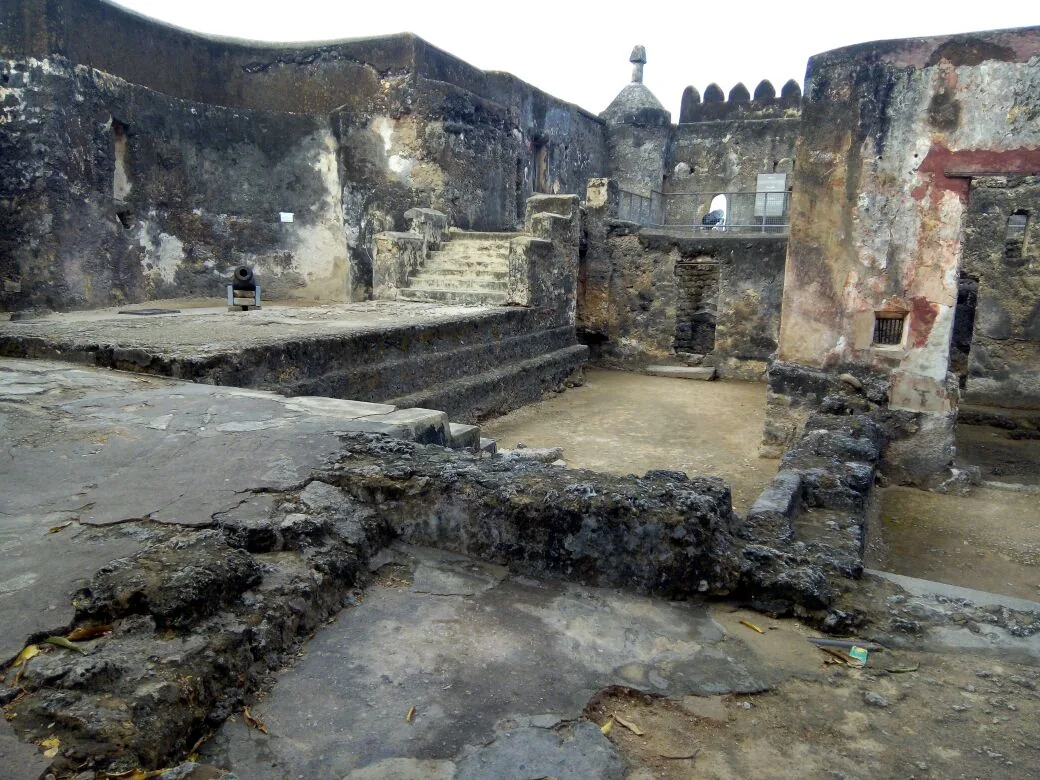
Gede Ruins. Photo by Almaddy2022, resized and converted to WebP, CC BY-SA 4.0.
What makes Gede important?
Gede helps travellers see the Kenya coast as a place of cities, trade, scholarship and architecture long before modern resort tourism. Coral stone, narrow rooms, courtyards, wells and mosques provide clues to domestic, religious and commercial life.
Avoid simplistic “lost city” stories that remove the site from wider Swahili history. Ask the guide which interpretations come from archaeology, oral history or later speculation.
Use a recognised site guide
A good guide explains the layout, building functions, excavations and unanswered questions. Agree the duration and fee or tipping expectation before starting. Ask for a pace suitable to your group.
Confirm current admission and operating details with the responsible museum authority or a reliable local operator. Third-party pages can carry inconsistent hours.
Heat, paths and accessibility
Shade from the forest helps, but the site can still feel hot and humid. Carry water, use sun and insect protection, and wear shoes suitable for uneven ground. Travellers with limited mobility should ask about path surfaces, distances and steps before arrival.
Do not assume wheelchairs or prams can comfortably cover every section. A shorter tailored route may still be worthwhile.
Monkeys and wildlife etiquette
Monkeys are part of the forest environment, not props. Some visitor reports encourage buying fruit so animals climb onto shoulders. We do not recommend feeding or handling wildlife. It can cause scratches, change animal behaviour and create dependence on visitors.
Keep food secured, give animals space and follow site guidance. Children should be supervised closely.
Combine Gede with Mida Creek
The two sites form a strong history-and-nature day. Let the Mida tide determine whether the creek comes first or second, then schedule Gede in a cooler period. Confirm the total drive, lunch plan and return time.
Trying to add a marine park trip as well usually makes the day too crowded. Keep the reef for a separate outing.
What recent travellers noticed
Gede Ruins reviews frequently praise the forest atmosphere, Swahili history and value of a knowledgeable guide. Several also warn that midday is hot. Some promote feeding monkeys, but that is a traveller practice rather than a responsible-wildlife recommendation.
Frequently asked questions
How far is Gede from Watamu?
It is close enough for a half-day road visit, but drive time depends on the hotel and traffic. Confirm pickup rather than relying on a map estimate.
Do I need to book in advance?
Confirm current entry and guide arrangements before travel, especially for a group or a specific language.
Is Gede suitable for young children?
It can be, but heat, uneven ground and wildlife require supervision. Keep the visit shorter for younger children.
Can I feed the monkeys?
We advise against feeding or encouraging contact with wild animals, even if other visitors do it.
Related Kenya Coast guides
Research checked on 4 October 2026 using museum material and recent independent visitor reports. Confirm current opening and entry information before travel.