By Usena Travels
Maasai Mara visitor rules protect wildlife, habitat and people. The practical starting point is simple: follow the instructions of the managing authority, ranger and guide for the area you are visiting. Rules in the Mara Triangle, the rest of the reserve and neighbouring conservancies should not be assumed identical.
Before the first drive
Ask the guide to explain where you may get out, how sightings are approached and when the vehicle must leave. Know where drinking water and a rubbish bag are kept. If a child needs a break, tell the guide early enough to reach an authorised place.
| Situation | Useful visitor response |
|---|---|
| An animal approaches the road | Stay calm and let the guide manage the vehicle |
| Several vehicles reach one sighting | Accept the ranger's viewing and waiting instructions |
| You need a toilet break | Tell the guide, who can choose an authorised stop |
| A photograph needs a closer position | Ask, then accept a no without pressuring the driver |
| The route changes | Respect closed tracks, weather decisions and ranger directions |
| The camp requires an escort | Wait for staff rather than walking alone |
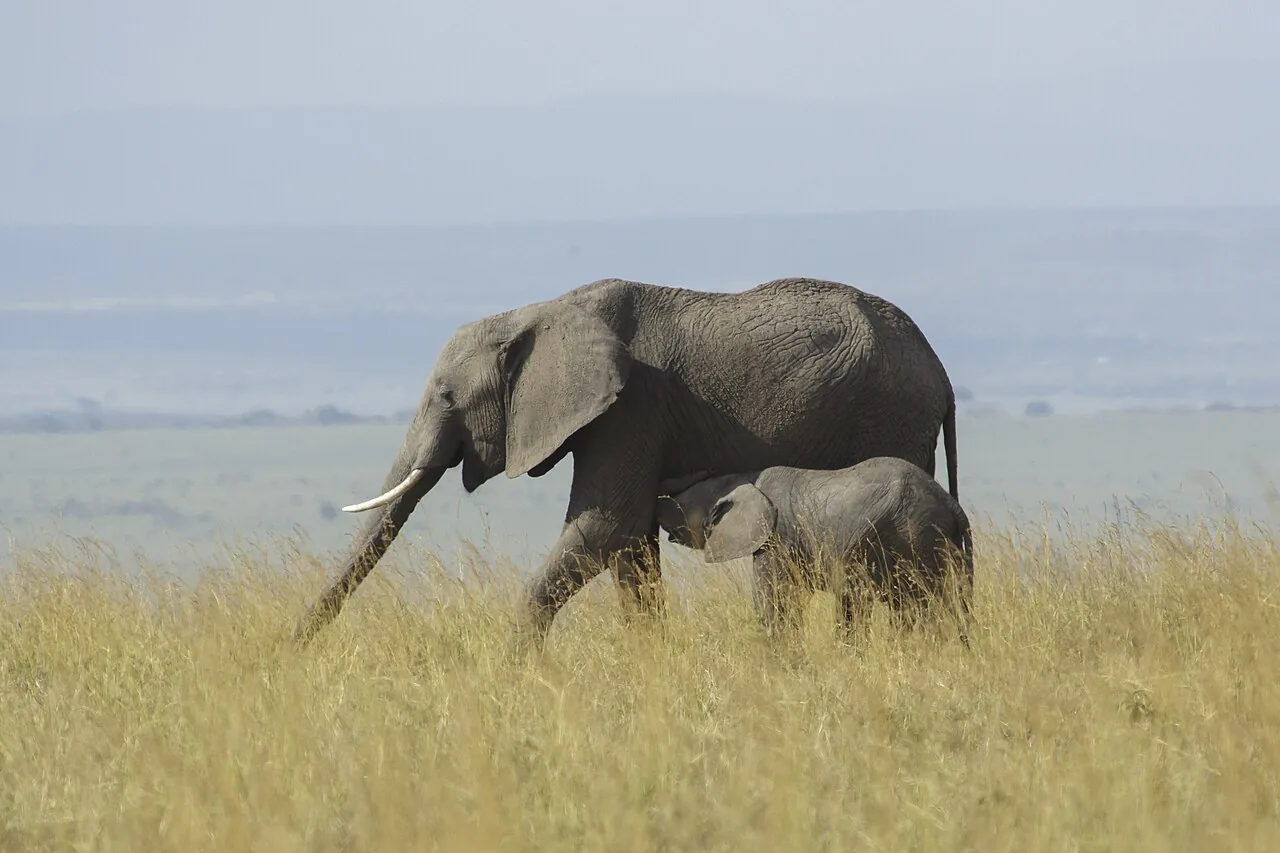
Wildlife gets the space it needs
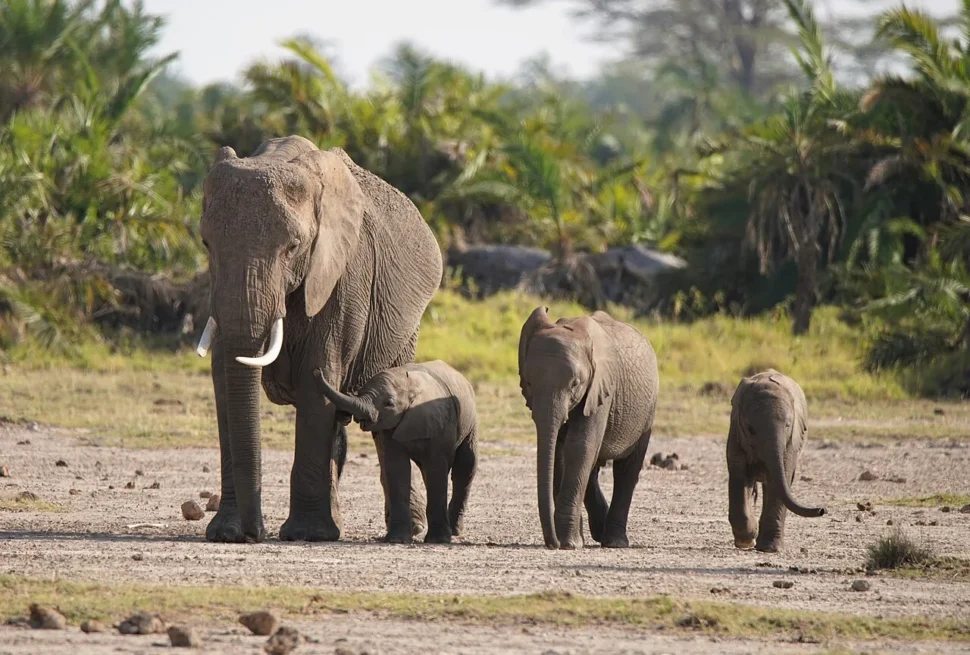
Do not ask the driver to surround, chase or block an animal for a better photograph. A calf and adult moving towards one another need a clear route. A predator resting in shade does not owe visitors a more exciting pose.
Keep noise low and remain in the position the guide considers appropriate. Avoid leaning out, dangling equipment near animals or throwing anything to attract attention. Food should never become a tool for bringing wildlife closer.
The Mara Triangle rules page describes ranger enforcement and crowd-management measures, including viewing-time restrictions when more than five vehicles are waiting. Those are Triangle-specific instructions. Follow the current briefing on the ground rather than using a blog as permission to override a ranger.
Roads, tracks and authorised stops
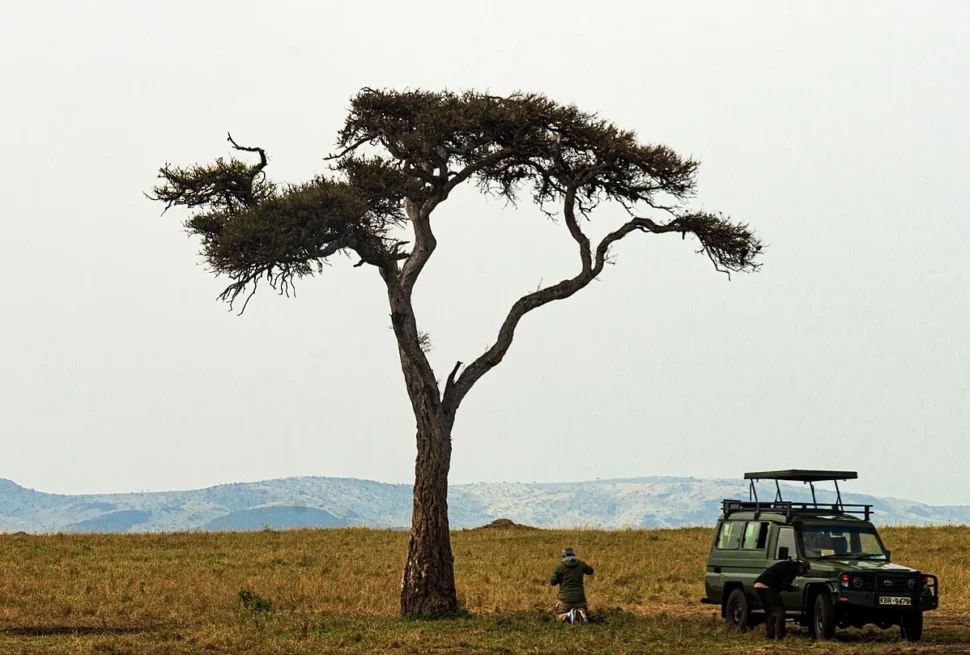
Permission to use a private safari vehicle does not mean permission to leave a designated route. Never pressure a guide to take a shortcut across habitat or enter a closed area. Wet ground can be damaged even when a vehicle appears capable of crossing it.
A picnic is only appropriate where the guide and authority permit it. Check for litter before leaving, including food scraps and tissues. Keep small items secured so they do not blow out of the vehicle. A reusable bottle is useful only if it is filled safely and carried responsibly.
Photography and drones are different activities
Ordinary holiday photography does not imply permission to operate a drone or stage a commercial production. Drone use and filming may require separate authorisation. Ask the operator and relevant authorities before bringing specialised equipment, and do not launch anything because another visitor has done so.
When photographing people, ask permission. A cultural visit should have clear host agreement, guiding arrangements and payment terms. Avoid giving children money to pose or assuming a village visit gives unlimited permission to photograph homes and residents.
At a crowded sighting
A guide may decide that waiting farther away, returning later or looking elsewhere is the better choice. Support that decision. Do not compare the guide unfavourably with someone who appears to be breaking the rules to get closer.
If conduct concerns you, note the details from a safe position and report through the appropriate authority or operator. Do not create a confrontation beside wildlife. Mara Conservancy provides a reporting contact on its rules page for incidents in the Triangle.
Camp movement is part of wildlife awareness
Some Mara camps are unfenced. Follow the arrival briefing about paths, escorts and after-dark movement. Close your tent or room as instructed and keep food in the place the camp specifies. A torch improves visibility but does not replace an escort when one is required.
Parents should explain these arrangements to children before the first evening. Ask staff how to request help from the room and what to do if an animal blocks a path. The correct response is to contact staff, not improvise a shortcut.
Can we drive after dark if we have a private guide?
Only where the activity is specifically authorised. A private booking does not itself change area rules. Confirm the named area and permission before paying for a night outing.
Can I step outside for a quick photograph?
Only at an authorised place and when your guide says it is appropriate. A quiet-looking landscape is not proof that leaving the vehicle is safe.
What if another vehicle breaks a rule?
Keep your own conduct responsible, avoid confrontation and use the relevant reporting route. Do not copy the behaviour to avoid missing a photograph.
See Mara package arrangements for the next booking step.