By Usena Travels
Masai Mara with kids works best when the itinerary is built around the youngest traveller's stamina, room needs and interest in wildlife. A family-friendly label is not enough. The important details are the journey, who shares each room, how long drives last and what happens when someone needs a break.
Decide what a successful family day looks like
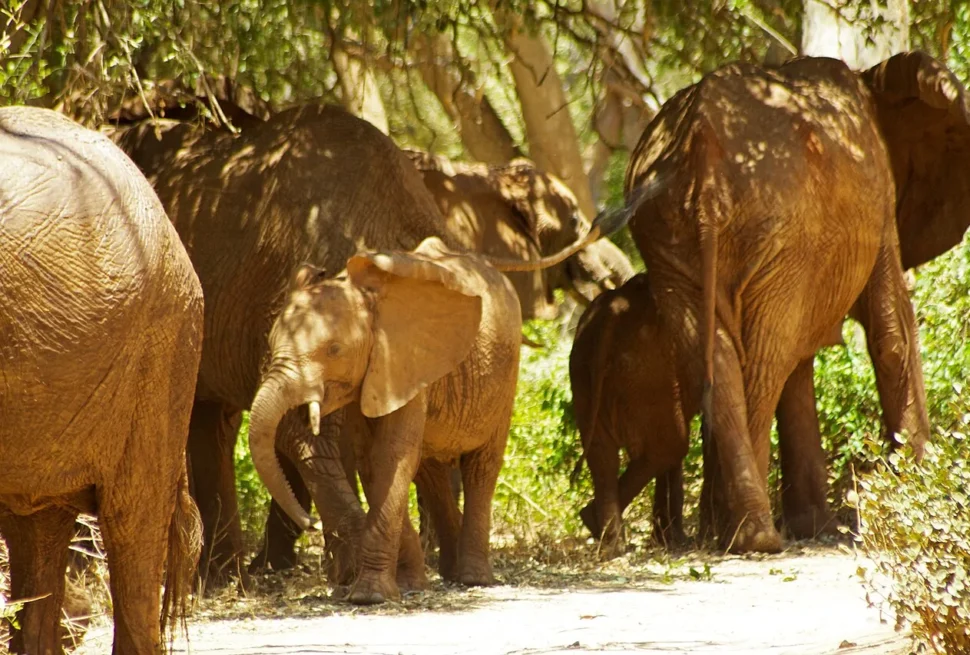
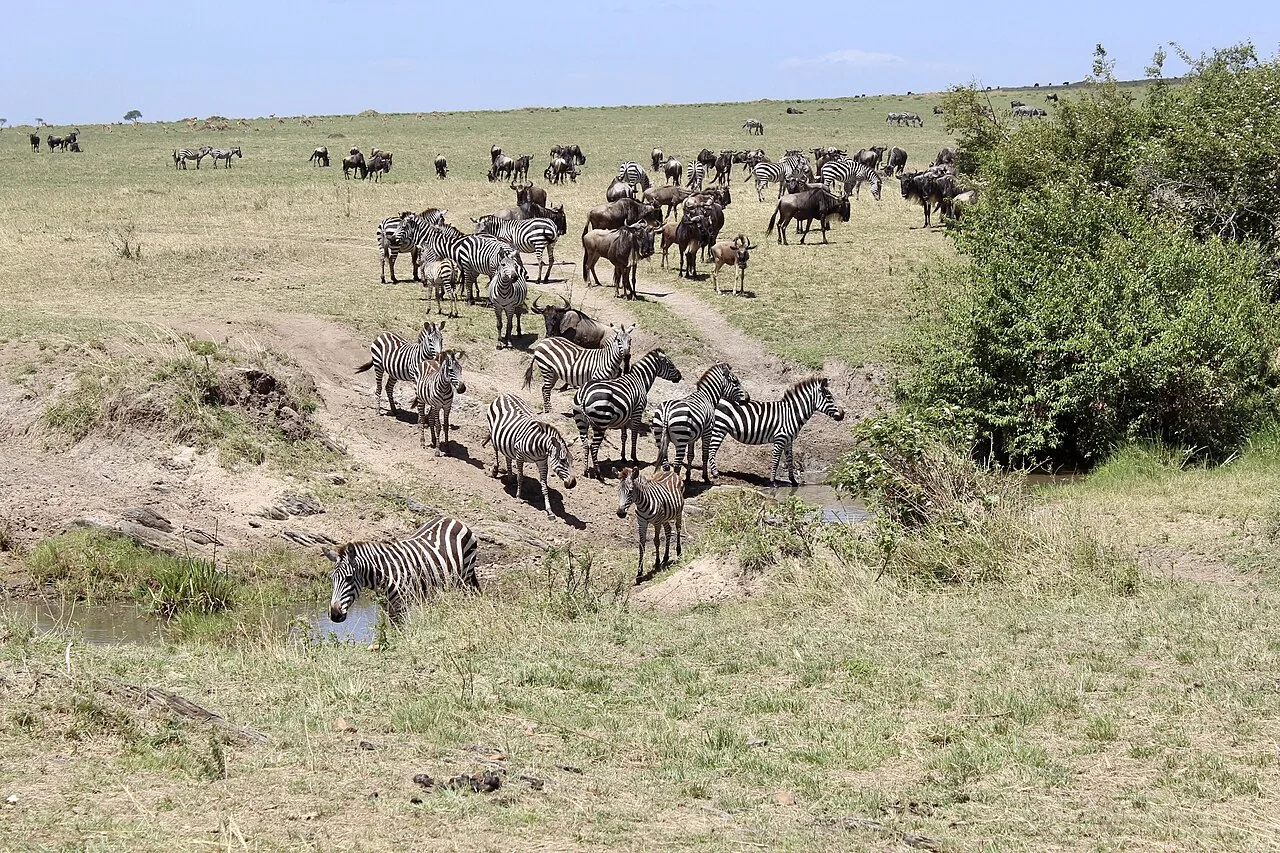
For some children, a short drive with zebras, tracks and birds is more rewarding than hours waiting for a cat to move. Let them have a checklist or sketchbook, but avoid turning the day into a competition to complete the Big Five. Wildlife is not a timetable.
| Before booking | Why it changes the trip |
|---|---|
| Every child's age on the travel date | Accommodation, admission and activity rules can differ |
| Exact room arrangement | An extra bed is not the same as a separate bedroom |
| Private or shared vehicle | Determines how easily your family can shorten a drive |
| Meal and snack arrangements | Long gaps are harder for younger children |
| Pool supervision and camp escorts | Family facilities still require adult responsibility |
| Journey length and rest stops | A low price cannot compensate for an unsuitable travel day |
Compare actual accommodation arrangements
Governors' Camp's family guidance welcomes families and describes child-focused arrangements. Its Cub Club information includes activities intended to help children engage with wildlife and conservation. These are named examples to investigate, not a promise that every room or activity is available on your dates.
Ask a shortlisted camp for the precise sleeping configuration and maximum occupancy. Can a parent and child share each room if connecting rooms are unavailable? Is the bathroom inside the tent? How far is the room from dining? If a teenager needs privacy, confirm the layout rather than relying on a family-room label.
For unfenced settings, follow the camp's movement and escort instructions. Do not assume children can roam between tents or walk to meals alone. Tell the property in advance about mobility, dietary or sensory needs so it can respond with specifics.
Use fewer activities with more breathing room
A workable day might include an early drive, a relaxed meal and rest, then an optional shorter afternoon outing. It need not include both a full-day drive and a cultural visit. Build space for someone to stay behind with a responsible adult if the camp permits it.
Private vehicles can make stops and drive length easier to adapt. Shared drives can still work for older children comfortable with the group's pace. Ask what happens if your family wants to return early. The other passengers should not discover an unresolved arrangement halfway through the outing.
The road journey deserves its own plan
Discuss pickup time, rest stops and the final approach to camp. Keep water, a layer and children's essentials reachable inside the vehicle. Avoid packing every useful item underneath the luggage pile. If a child needs a car seat, agree the type and fitting in advance.
Flying may reduce the long road transfer, but baggage limits and bumpy game drives remain. The Nairobi-to-Mara comparison helps you compare the complete journey. Do not buy a flight to an airstrip until the camp has confirmed the appropriate arrival point.
Price each child correctly
Give the operator ages rather than saying two adults and two kids. Hotel, airline, reserve and optional-activity age bands can be different. Have the quotation show which room is used, who shares it and what each person's price includes.
For a family with different citizenship or residence statuses, confirm admission documentation individually. Payment in KES or USD does not determine eligibility. Ask what changes if a birthday falls before the departure date.
Optional experiences need individual checks
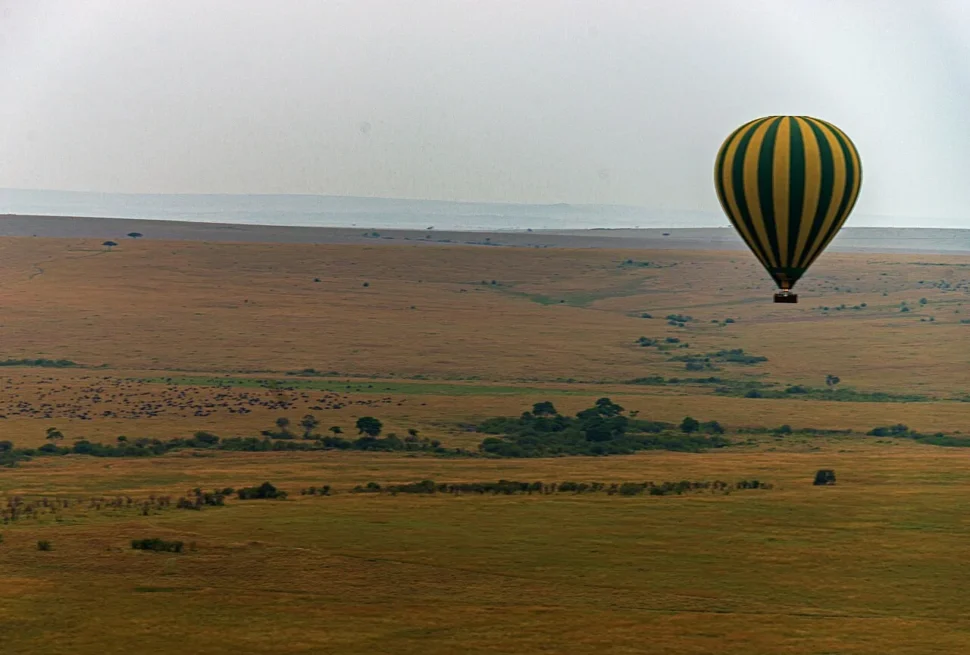
Ballooning, guided walks and visits outside camp can have separate age, height or participation restrictions. Do not assume that a camp accepting a toddler means every advertised activity accepts one. Request current rules from the actual activity operator.
For a cultural visit, explain to children that they are meeting people in a living community. Ask permission for photographs and follow the host's guidance about gifts or payments. The visit should involve respectful exchange, not treating people as another attraction to tick off.
What is the ideal age for a first Mara safari?
There is no single age. A child's tolerance for travel and quiet observation matters alongside camp policies. Shorter drives and a flexible vehicle arrangement can be more important than age alone.
Do family packages include childcare?
Do not assume so. Check whether activities require a parent, whether any childcare exists and how it is booked and charged.
Are two nights enough?
They can introduce the Mara, but road transfers take a substantial share of the trip. Compare the usable time with a longer stay using the three-day itinerary.