A good Mombasa Old Town visit begins at Fort Jesus, continues through a focused set of historic streets and ends with food or a waterfront stop. Allow three to five hours. The aim is not to photograph every doorway, but to understand how trade, religion and changing political control shaped the neighbourhood.
Old Town is home to residents and businesses. Dress respectfully, keep photography considerate and use a guide who can explain both history and current community life.
A practical half-day route
| Stage | Suggested time | Focus |
|---|---|---|
| Fort Jesus | 90 to 150 minutes | Museum, architecture and historical context |
| Old Town streets | 60 to 120 minutes | Carved doors, balconies, mosques and trading lanes |
| Food or coffee | 45 to 90 minutes | Swahili flavours and a rest from the heat |
| Return transfer | Flexible | Leave before the route becomes rushed or dark |
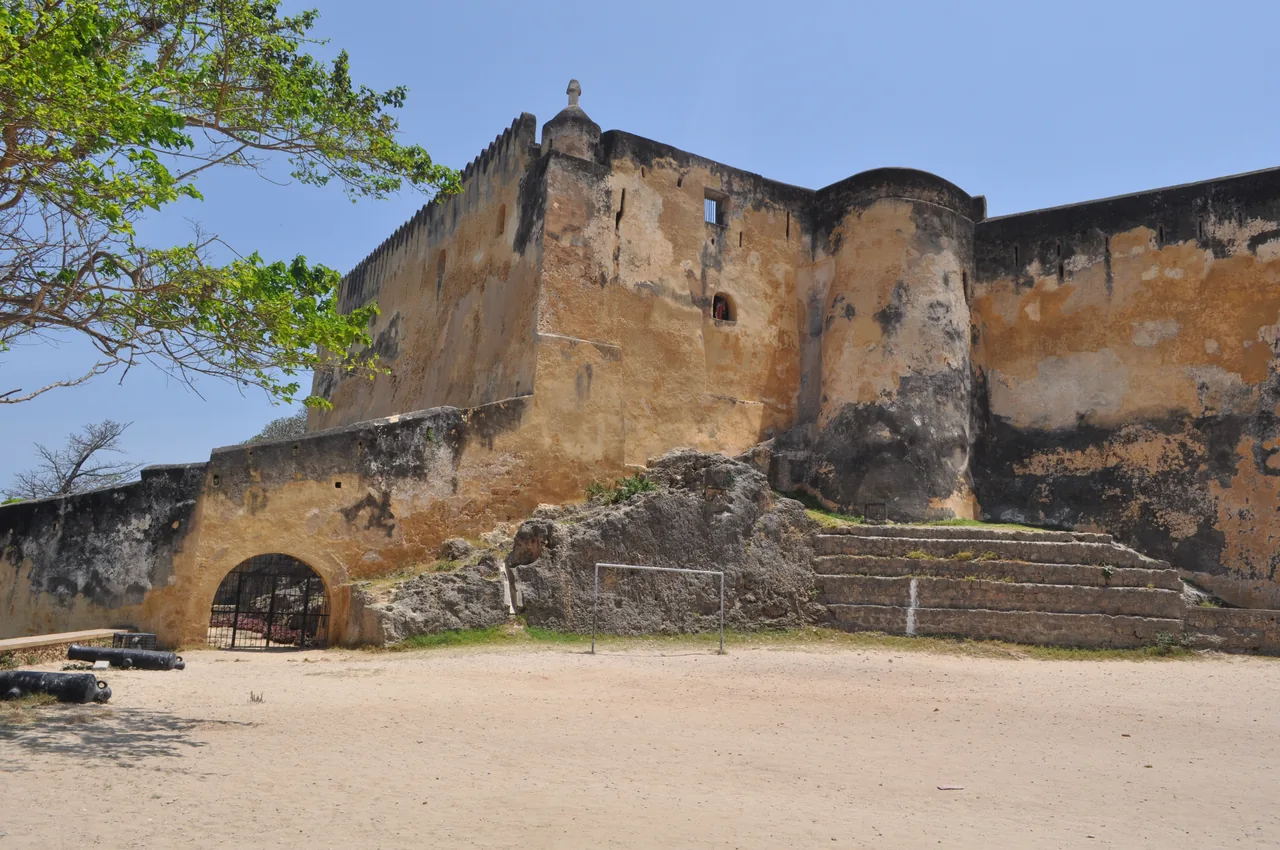
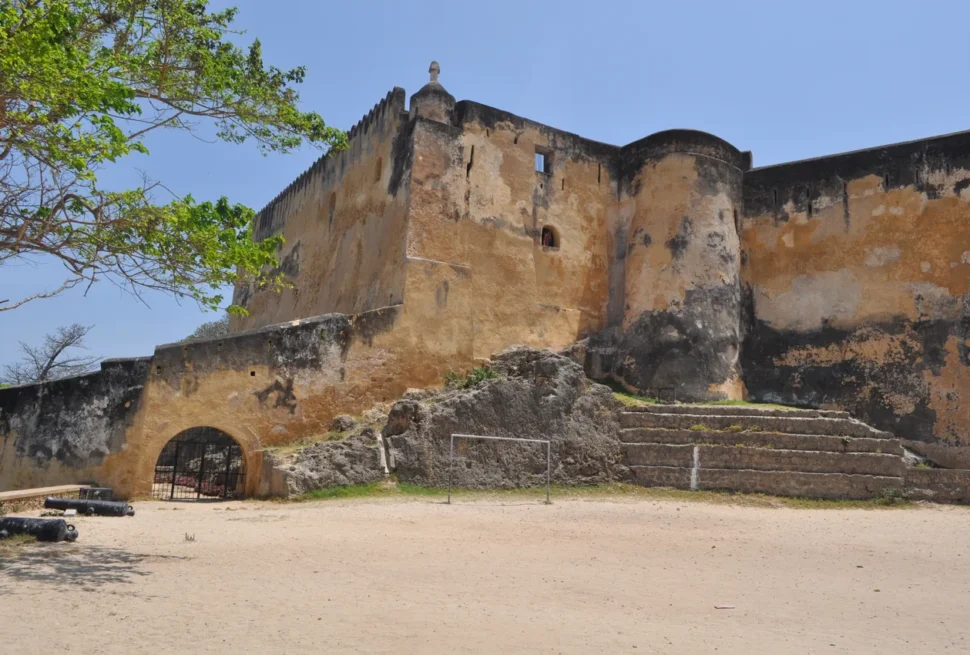
Fort Jesus, Mombasa. Photo by Alex Wafula, resized and converted to WebP, CC BY-SA 3.0.
Why start at Fort Jesus?
The fort gives the historical sequence needed to read Old Town more clearly. According to the National Museums of Kenya, it passed through Portuguese, Arab, Swahili and English control. Its position beside the old port shows why Mombasa mattered as a trading and military point.
Use the museum’s current guidance for opening and fees. Third-party listings may carry outdated hours or discontinued event information.
What to look for in Old Town
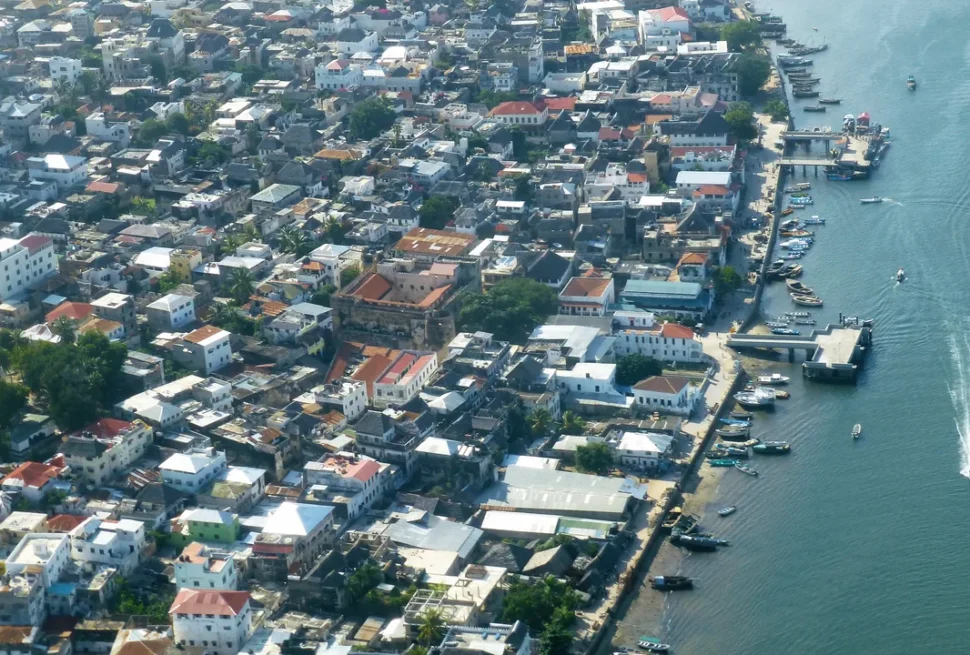
The National Museums of Kenya Old Town map identifies carved doors as a major architectural feature, with Arabic and Indian influence visible in their designs. Also notice the scale of streets, shaded passages, balconies and the connection to the old port.
Do not enter private courtyards without permission. The most respectful visit recognises that heritage buildings are also homes, shops and places of worship.
How to choose a guide
At the fort, look for official identification and agree the route, duration, language and price before starting. Ask whether museum entry is separate. A good guide should provide context, answer questions honestly and avoid pressuring you into shops.
If a tour includes food, clarify what is included and disclose allergies. Do not rely on a stranger’s promise that every additional stop is “free.”
Food and markets
A Swahili meal or snack gives the walk a natural finish. Depending on availability and your comfort level, try pilau, biryani, viazi karai, bhajia, halwa, coffee or madafu. Choose busy, clean establishments and follow your guide’s hygiene advice.
Markets are active commercial spaces. Keep pathways clear, agree prices and ask before taking close photographs.
Safety without alarmism
Old Town is busy and unfamiliar to many visitors. Carry only what you need, keep phones and wallets secure, and stay aware in crowds. Use a known driver or ride service for return transport. Ask current local advice if you plan to visit late in the day.
These are sensible city precautions, not a claim that every visitor will face a problem.
What recent travellers noticed
A March 2026 Fort Jesus reviewer said the combined fort, Old Town and market day worked especially well with a knowledgeable guide. A 2025 Old Town review valued the narrow streets and carved facades while advising visitors to protect their belongings. Both perspectives support the same plan: go with context and stay alert.
Frequently asked questions
Do I need a guide in Mombasa Old Town?
It is possible to walk independently, but a recognised guide improves historical understanding, navigation and local etiquette.
How long should I spend at Fort Jesus?
Allow roughly 90 minutes to two and a half hours depending on your interest and whether you use a guide.
Can children enjoy the visit?
Yes, especially with a guide who adapts the story. Plan water, shade and breaks, and avoid the hottest part of the day.
What should I wear?
Choose light, modest clothing and comfortable walking shoes. Respect places of worship and local community norms.
Related Kenya Coast guides
- Things to do in Mombasa
- 3-day Mombasa itinerary
- Best time to visit Mombasa
- North Coast vs South Coast
Research checked on 4 October 2026 using National Museums of Kenya and recent independent visitor reports.