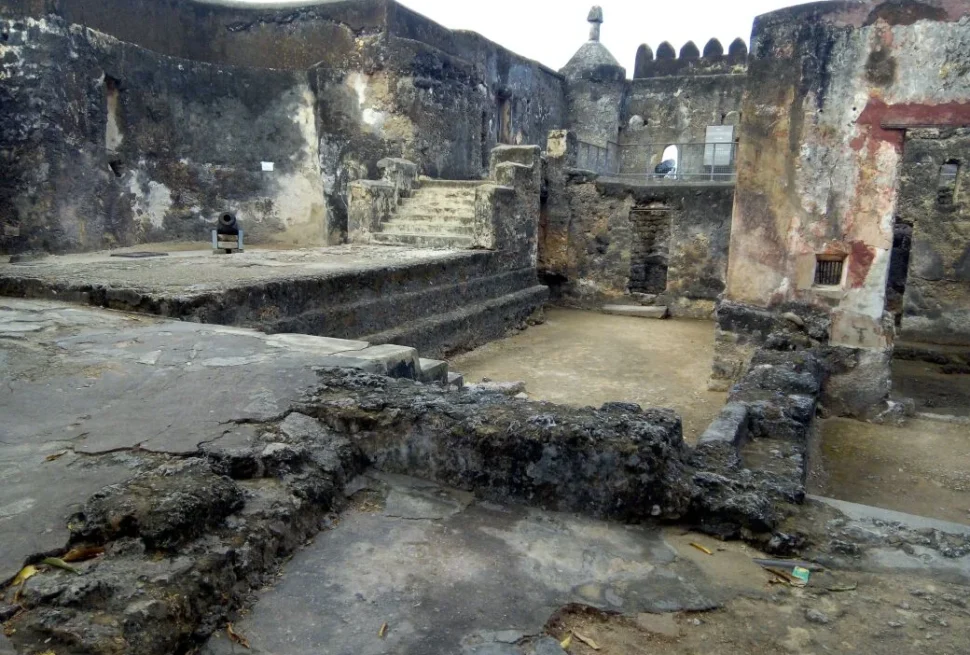
The best things to do in Lamu Old Town are connected by walking: learn the street pattern with a guide, visit one or two museums, notice carved doors and courtyards, and spend time at the seafront without treating residents as scenery. Two to four hours gives a useful first route, but the town becomes clearer over several slow visits.
A respectful Old Town route
- Start at the seafront and agree the walk with a recognised guide.
- Move through the narrower streets before the strongest heat.
- Visit Lamu Museum or the Swahili House for context.
- Include Lamu Fort or the German Post Office if time and opening allow.
- Finish with food or a quiet seafront break rather than another rushed stop.
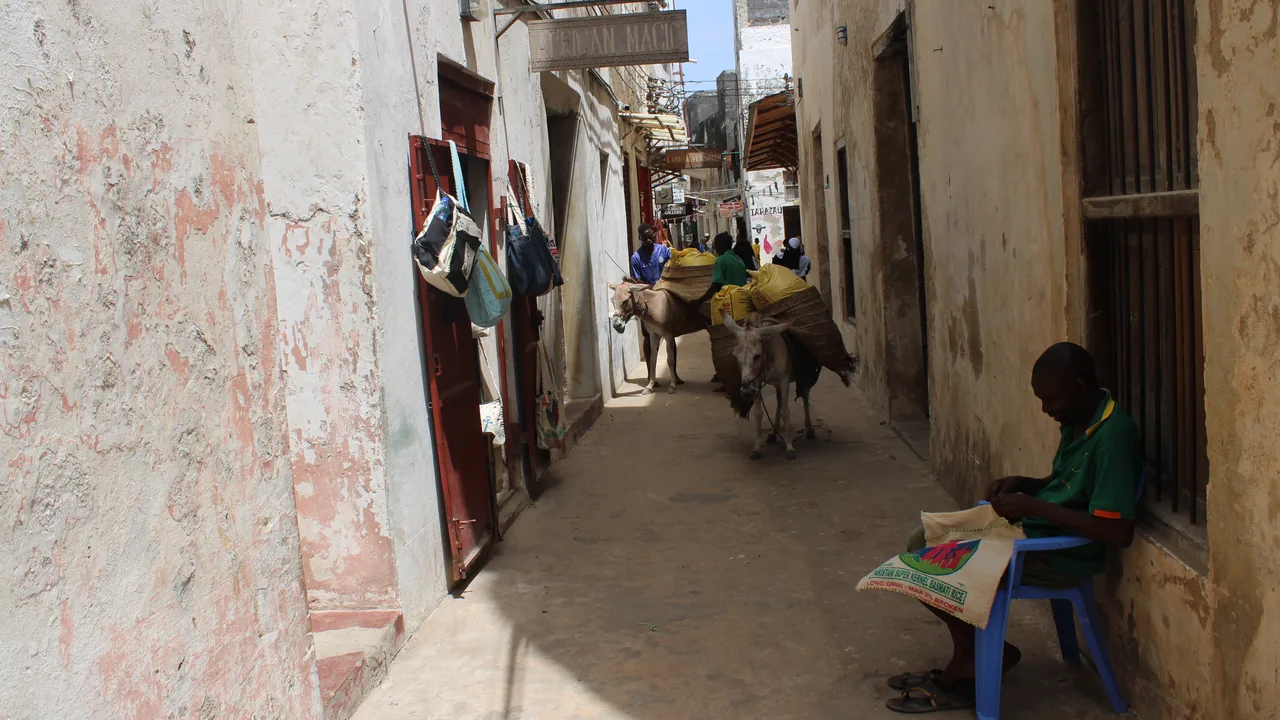
Lamu Old Town street. Photo by Bukhit2022, cropped and converted to WebP, CC BY-SA 4.0.
Understand why the town matters
UNESCO's listing highlights Lamu's coral-stone and mangrove-timber architecture, courtyards, verandas, carved doors and continuing role in Islamic and Swahili culture. Heritage is visible in buildings, but also in social spaces, craft, worship and daily movement.
Avoid reducing the story to Arab or European influence. A knowledgeable guide should explain the interaction of African, Arab, Persian, Indian and European connections without erasing local Swahili agency.
Choose a guide for interpretation, not only navigation
Ask how long the route lasts, which museums are included and whether entry is separate. Agree the fee before starting. A good guide adjusts the pace and distinguishes documented history from local story.
Recent Old Town visitor reviews often say a guide improved the experience. Other reviewers describe heat, litter, drains or persistent selling. These different perspectives show why romantic photographs should be balanced with the realities of a living town.
Dress and photograph with respect
Lamu is culturally conservative. Wear clothing that covers shoulders and knees, especially near mosques and during religious periods. Keep voices low around worship and private homes.
Ask before photographing people, doorways in active use, interiors or ceremonies. Paying for a guided walk does not buy consent from everyone encountered.
Use museums to deepen the route
The National Museums of Kenya describes collections covering Swahili clothing, jewellery, furniture, manuscripts, maritime life and household tools. Choose one main museum if time is limited. Confirm current combined tickets and opening times directly.
Manage heat, footing and access
Walk early or later in the afternoon, carry water and wear secure shoes. Streets can be narrow and uneven, with donkeys and handcarts sharing the route. Travellers with limited mobility should discuss steps, distances and boat boarding before booking accommodation.
Frequently asked questions
Do I need a guide in Lamu Old Town?
You can walk independently, but a good guide adds historical and cultural context and helps visitors behave respectfully.
How long does a walking tour take?
Two to four hours is common for a focused introduction. Museum depth and heat can extend or shorten it.
Can I visit from Shela?
Yes. Arrange a boat and a clear pickup point, then begin the walk from the Lamu seafront.
Is Old Town suitable for a stroller?
Uneven, narrow streets and boat access can make strollers difficult. Ask for current accessibility advice and consider a carrier for a young child.
Continue planning
- Things to do in Lamu
- Shela Beach and village guide
- Best time to visit Lamu
- Lamu fly-in holiday package
Research checked on 4 October 2026 using UNESCO, National Museums of Kenya and recent independent traveller reports.