By Usena Travels
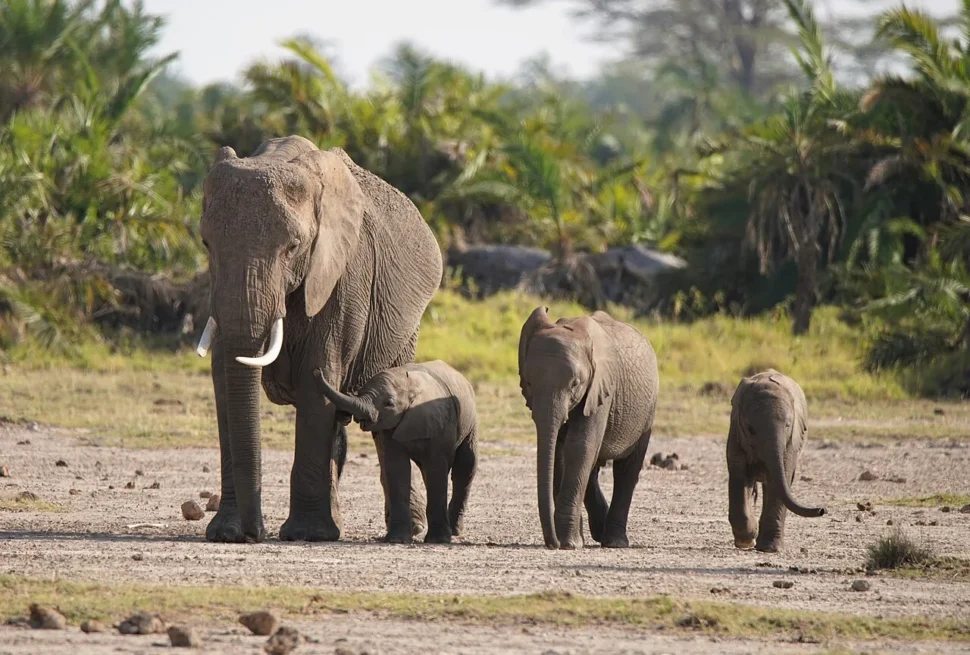
Tsavo red elephants are elephants wearing the colour of their surroundings. Their reddish appearance comes from soil and mud on the skin, not from belonging to a separate red species. The photograph people hope for is real, but the colour can look very different after rain, bathing or a change of light. Plan to enjoy elephant behaviour rather than chase one exact shade of red.
What you are actually looking at
| Question | Useful answer | What it means on safari |
|---|---|---|
| Are they naturally red? | The visible colour comes from earth on the body | Freshly wet or less dusty animals may look different |
| Will every elephant be bright red? | No | Light, moisture and dust change the appearance |
| Can I book a guaranteed encounter? | No | Leave time for more than one game-drive opportunity |
| Is a waterhole a viewing appointment? | No | Animals choose when and where to move |
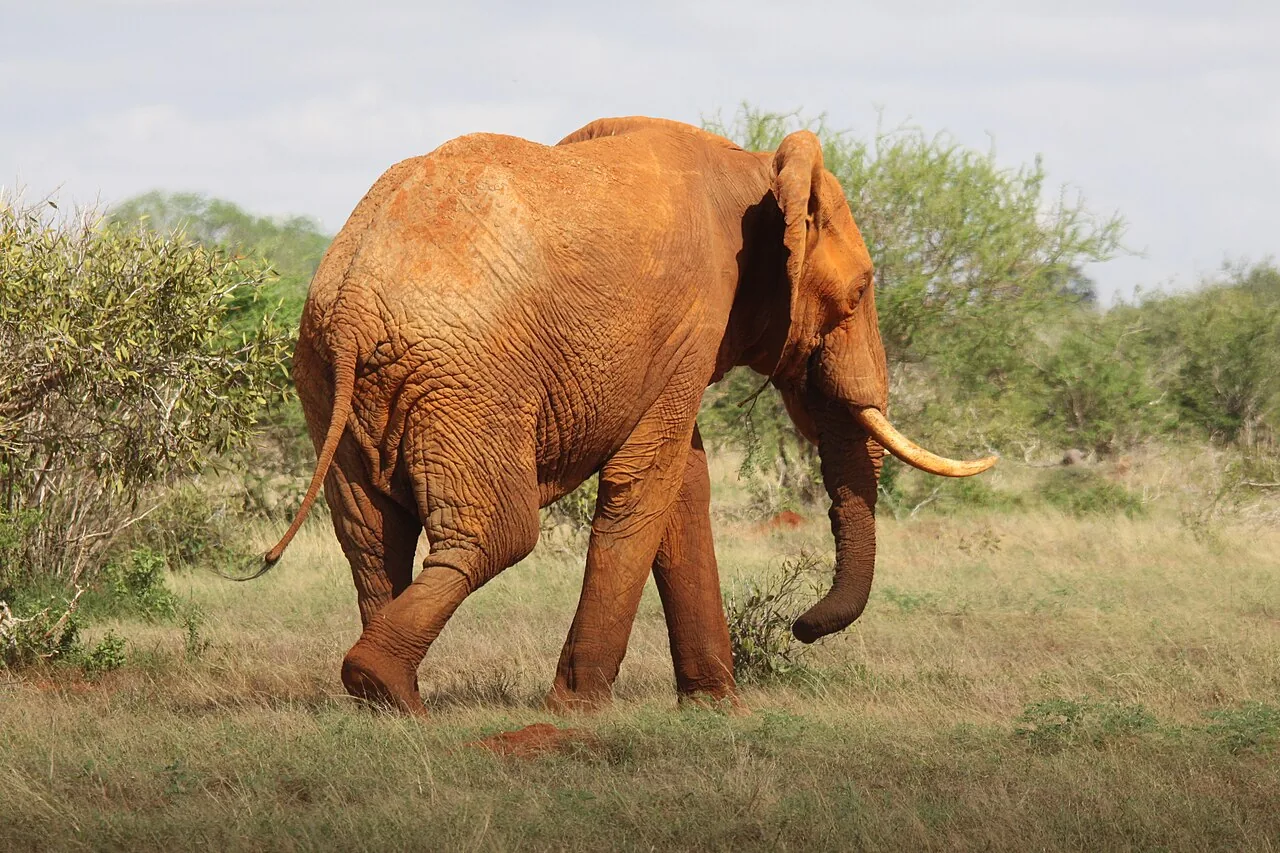
Dust bathing is part of the story
The Sheldrick Wildlife Trust's account of elephants graduating to Tsavo describes their introduction to its red earth and dust baths. It is a conservation team's account of particular animals, not a promise about what a visitor will see on a game drive.
Watch for a trunk gathering dust, an elephant rolling in mud, or the way a group pauses before crossing a track. Those moments can be more revealing than a static portrait. Ask your guide to explain what they can reasonably infer from the behaviour, without expecting them to give every wild elephant a name or family history.
Use binoculars as well as a camera. A photograph crops out the wider group, while observation can reveal calves moving among adults, animals approaching from behind and space the herd needs to continue. A good viewing position leaves that space open.
Where should you base the safari?
Tsavo East is the natural starting point for this particular interest. Its official KWS park page identifies the red-earth elephants among its attractions. That does not make every gate, lodge or drive equally convenient for your overall route.
Rather than asking for “the hotel with guaranteed elephants”, compare where each proposed lodge sits and how much time the package leaves for drives. A waterhole-facing stay may add an observation opportunity between outings, but it is still a place animals can choose not to visit.
If arriving from the coast, decide whether you can spare a night away. A same-day return compresses the wildlife time between two road journeys. For a broader holiday, the Tsavo and Diani combination is a useful place to begin checking the route.
Photographing colour without crowding the animal
Stay in the vehicle except at authorised places and follow your guide's positioning. Do not ask the driver to block a crossing, separate a calf or edge closer because the animal looks calm. A long lens or a wider photograph of the landscape is preferable to pressing for proximity.
Dust can get into camera bags and lens changes. Keep equipment covered between sightings and bring a soft cleaning cloth. Check exposure before an interesting moment, but resist turning the whole encounter into a camera-setting exercise. Phone photographs can still tell the story through the red track, the group and the surrounding landscape.
For children, make the activity observation-led: count how many animals are together, notice different sizes and watch how trunks are used. Avoid turning the day into a competition for the closest selfie.
Do not confuse a wild safari with a sanctuary visit
Sheldrick's work includes rescue, rehabilitation and reintegration. Reading about an orphan unit does not establish a public walk-in visiting opportunity in Tsavo. Any specialist visit needs the organisation's own current permission and arrangements. Do not buy a promised feeding or touching encounter simply because the word “conservation” appears in the description.
An ordinary Tsavo itinerary should describe park game drives accurately. If a separate visit is offered, ask who authorises it, what visitors may do and how it affects the animals. Keep that cost and permission separate from standard park admission.
Common questions
Is the dry season essential for red-elephant photographs?
No date can guarantee a particular appearance. Dust, rain and light influence the result, so choose workable travel dates and allow several opportunities.
Should I choose Tsavo West instead if East is unavailable?
Compare the whole itinerary, not just the park name. East and West offer different trip structures; confirm that the alternative still matches your interests and route.
Does a longer safari guarantee more sightings?
No. It gives you more opportunities and less pressure to rush, which is different from a wildlife guarantee.
Before confirming, review coast departures to Tsavo and the Kenya safari planning options.